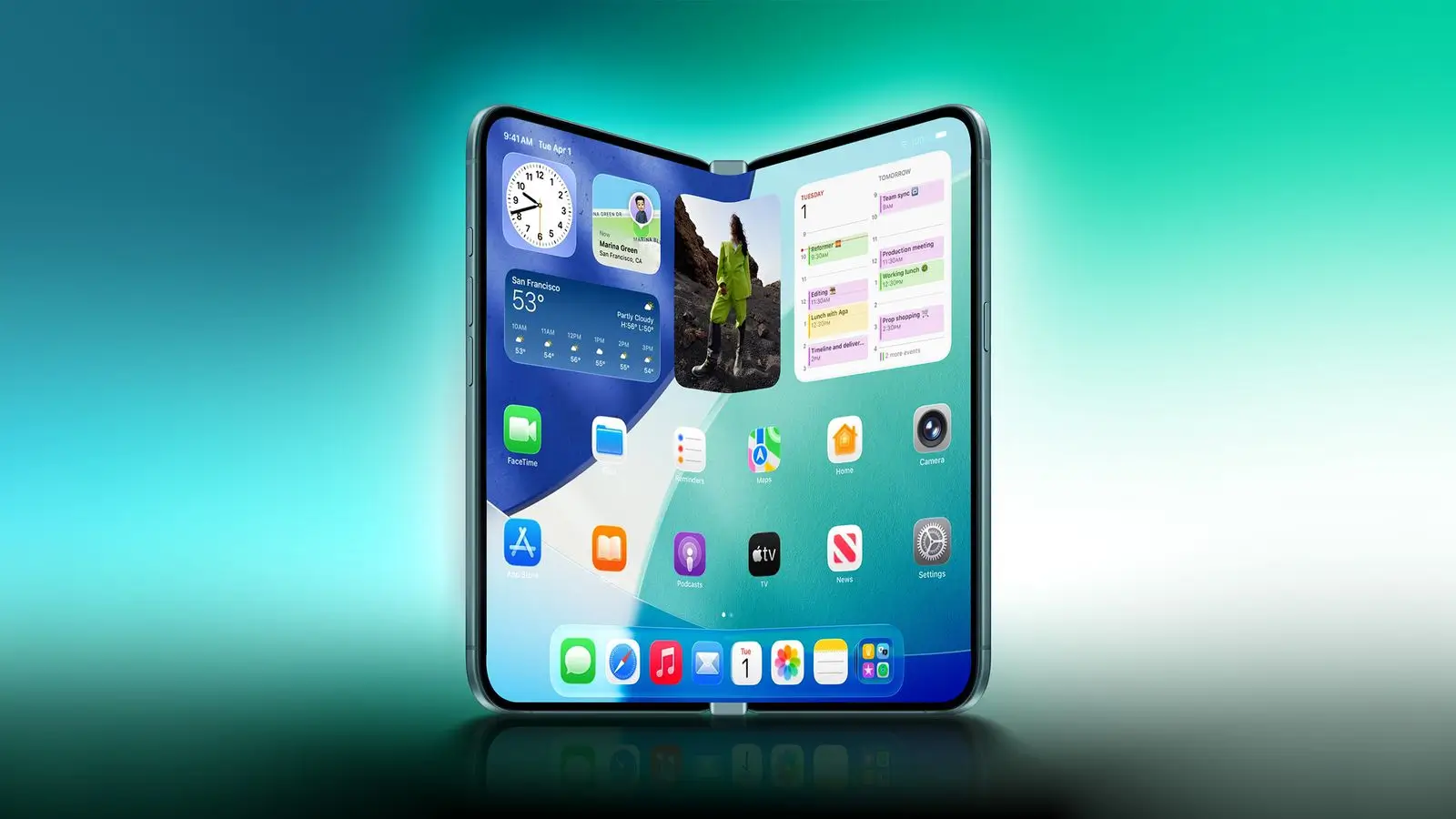
CUPERTINO/SEOUL — In the fast paced realm of smartphone innovation, foldable devices have emerged as the next frontier, blending compact portability with expansive functionality. However, despite years of advancements, the persistent crease on inner displays has deterred many potential users, casting a shadow over this promising technology.
As of December 22, 2025, Apple is making headlines with its ambitious push to eliminate this flaw entirely through cutting edge ultra thin flexible glass (UFG) testing for its upcoming book style foldable iPhone. This isn't just another gadget. It is Apple's calculated entry into a market ripe for disruption, potentially setting new standards for durability, aesthetics, and user experience.
Key Highlights
- No More Crease: Variable thickness UFG technology distributes stress to render the fold line visually imperceptible.
- Launch Timeline: Slated for a September 2026 unveiling alongside the iPhone 18 Pro, with a potential $2,500 price tag.
- Hardware Power: Powered by the A20 chip, liquid metal hinges, and a dual camera setup featuring a 48MP main sensor.
- Market Shift: Analysts forecast a 30% jump in foldable shipments in 2026, largely attributed to Apple's entry.
Evolution and the Crease Dilemma
Foldable smartphones trace their roots back to 2019 when Samsung unveiled the Galaxy Fold, a groundbreaking device that promised tablet like productivity in a pocket sized form. Early models faced teething issues, including screen fragility and high costs, but they have evolved significantly. By 2025, foldables have matured with improved hinges, water resistance, and multitasking software. For a deeper dive into these mechanical advancements, you can read our analysis on Apple's foldable innovation path.
Yet, adoption remains niche. According to Counterpoint Research, global foldable shipments surged 45% year over year (YoY) in Q2 2025. Despite progress, challenges like battery life, weight, and that infamous crease persist. The crease is more than a cosmetic flaw; it is an engineering hurdle born from the need for displays to bend repeatedly without shattering.
Apple's approach to this engineering challenge is characteristically patient and precise. They focus on material science rather than rushing a prototype to market. They understand that for a foldable to be truly "Pro," the tactile experience of the screen must rival the rigidity of a standard iPhone display.
Apple's UFG Breakthrough
Enter ultra thin flexible glass (UFG), Apple's weapon against the crease. Unlike uniform UTG, UFG features variable thickness. It is ultra slim (as low as 25 microns) in the folding area for enhanced flexibility, and thicker sections elsewhere for rigidity and scratch resistance.
This uneven design evenly distributes bending stress, theoretically rendering the crease "visually imperceptible" in everyday scenarios. Manufactured via advanced processes like chemical tempering and ion exchange, UFG maintains optical clarity while enduring over 200,000 folds. Corning and Schott have refined this tech, with prototypes achieving unprecedented thinness without compromising durability.
The implications of this material breakthrough extend far beyond mere aesthetics. It fundamentally changes the durability equation for foldables. By creating a display stack that behaves more like a continuous sheet of rigid glass rather than a plastic composite, Apple is addressing the primary durability concern that has kept mainstream consumers at bay: the fear of screen failure.
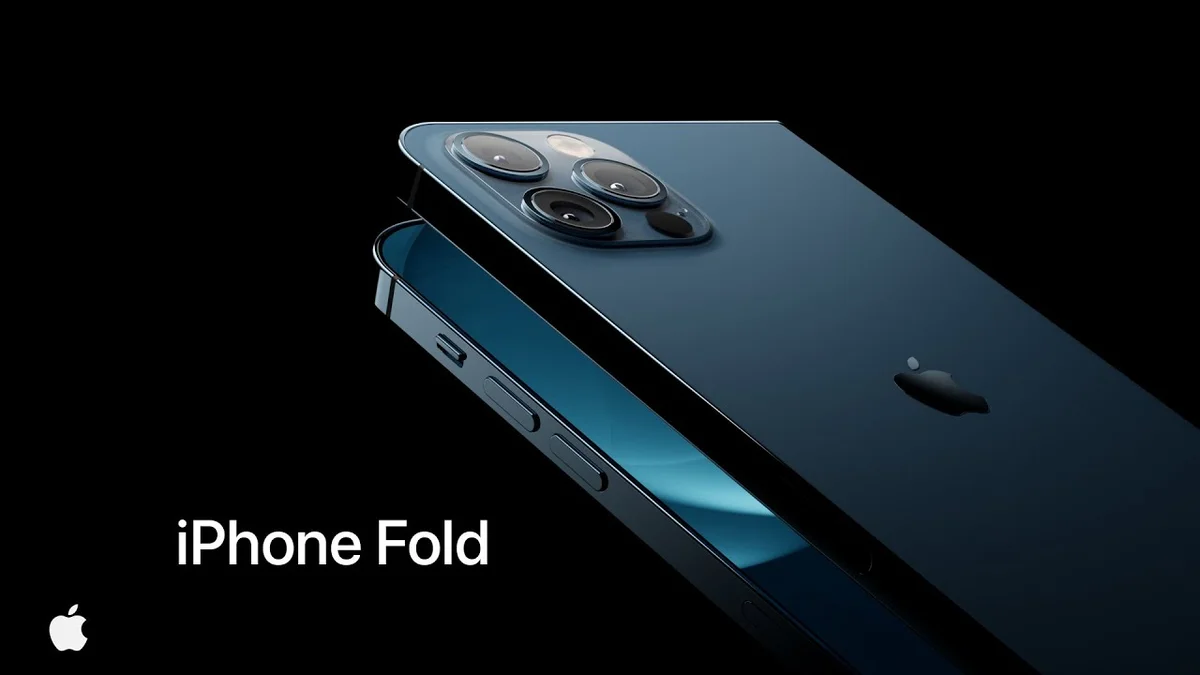
Furthermore, insiders suggest that Apple is layering this UFG with a proprietary self healing polymer coating. This hybrid approach ensures that while the glass core handles the structural integrity and optical brilliance, the top layer can recover from minor abrasions and impact shocks. It is this meticulous attention to the "feel" of the swipe that will likely differentiate the iPhone Fold from its Android competitors.
Tech Spec Audit
The conflict between durability and flexibility serves as a brutal stress test for engineering. The data below suggests a significant shift in the technological balance of power:
| Component/Feature | Tech Origin | Key Specification | Role in Device | Outcome/Notes |
|---|---|---|---|---|
| Display Panel | Samsung/Apple | Variable UFG (25 microns) | Primary Visual Interface | Theoretically eliminates visible crease through stress distribution. |
| Hinge Mechanism | Apple | Liquid Metal Alloy | Structural Integrity | Shape memory alloys allow precise snapping and reduced strain. |
| Processor | Apple Silicon | A20 Chip with AI | Computational Core | Enables seamless multitasking and split screen operations. |
| Z Fold 7 Display | Samsung | Standard UTG (30 microns) | Market Competitor | Crease remains perceptible under bright light despite refinements. |
| Biometrics | Apple | Side Mounted Touch ID | Security Authentication | Bypasses Face ID space constraints on thin bezels. |
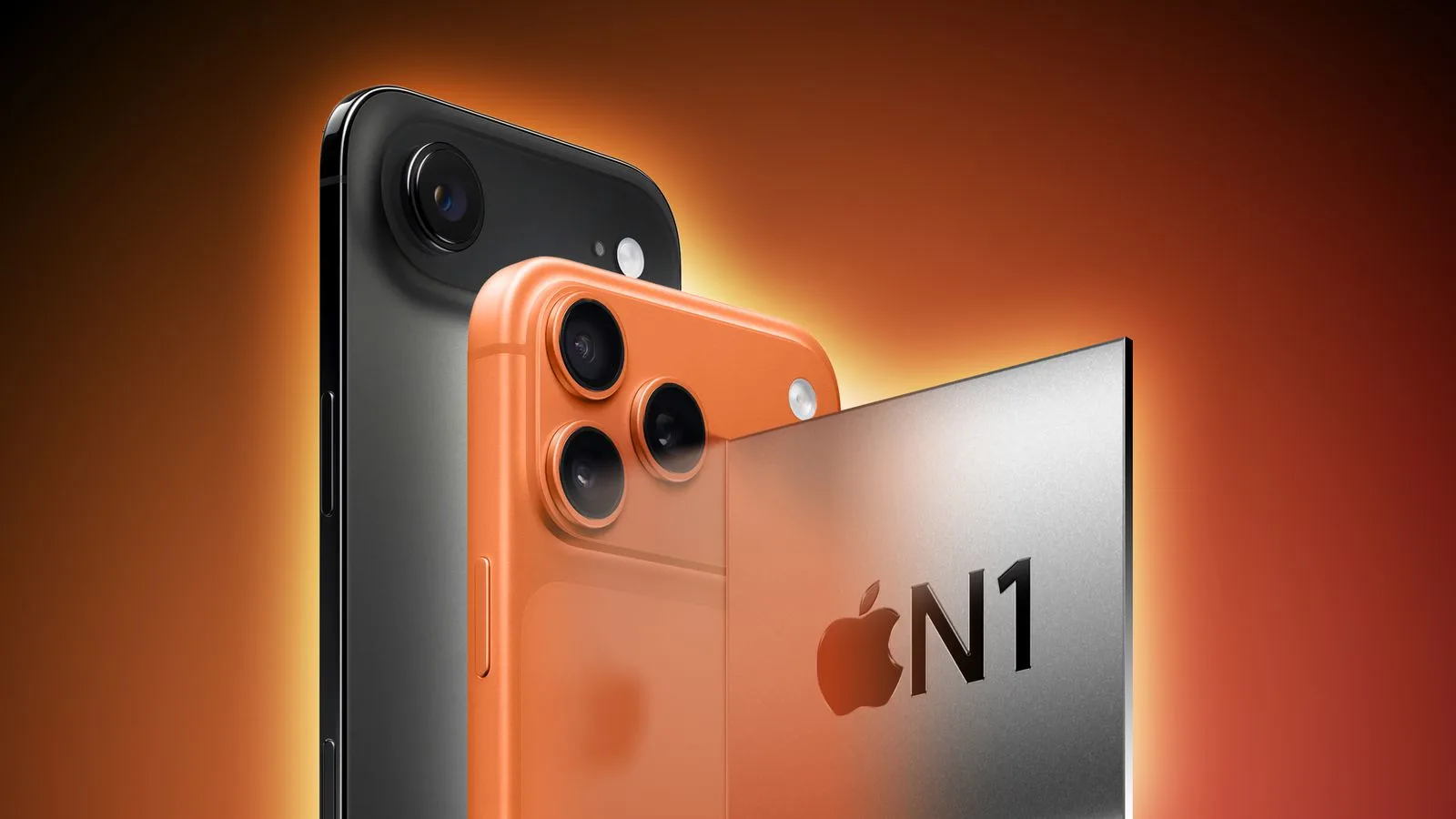
Beyond the raw specifications, the design philosophy of the "iPhone Fold" (internally dubbed Project V68) appears to prioritize ergonomics over sheer screen real estate. Reports indicate Apple is testing a chassis made from a new Grade 5 titanium alloy. This material offers superior heat dissipation and weight reduction compared to stainless steel.
This is crucial for a foldable device, which inherently carries more mass due to the hinge mechanism and dual batteries. The goal is to keep the device under 240 grams, making it comfortable for one handed use when closed, a common complaint with heavier competitors.
Market Dynamics and 2025 Insights
Foldables captured just 1.5% of global smartphone sales in 2025, per IDC, but growth is accelerating. With Apple's entry, projections suggest 50 million units by 2027, potentially reaching 10% market penetration by decade's end. This anticipated surge is not merely about a new form factor but about the "Apple Effect." This is the phenomenon where a technology becomes validated and culturally ubiquitous only after Apple adopts it.
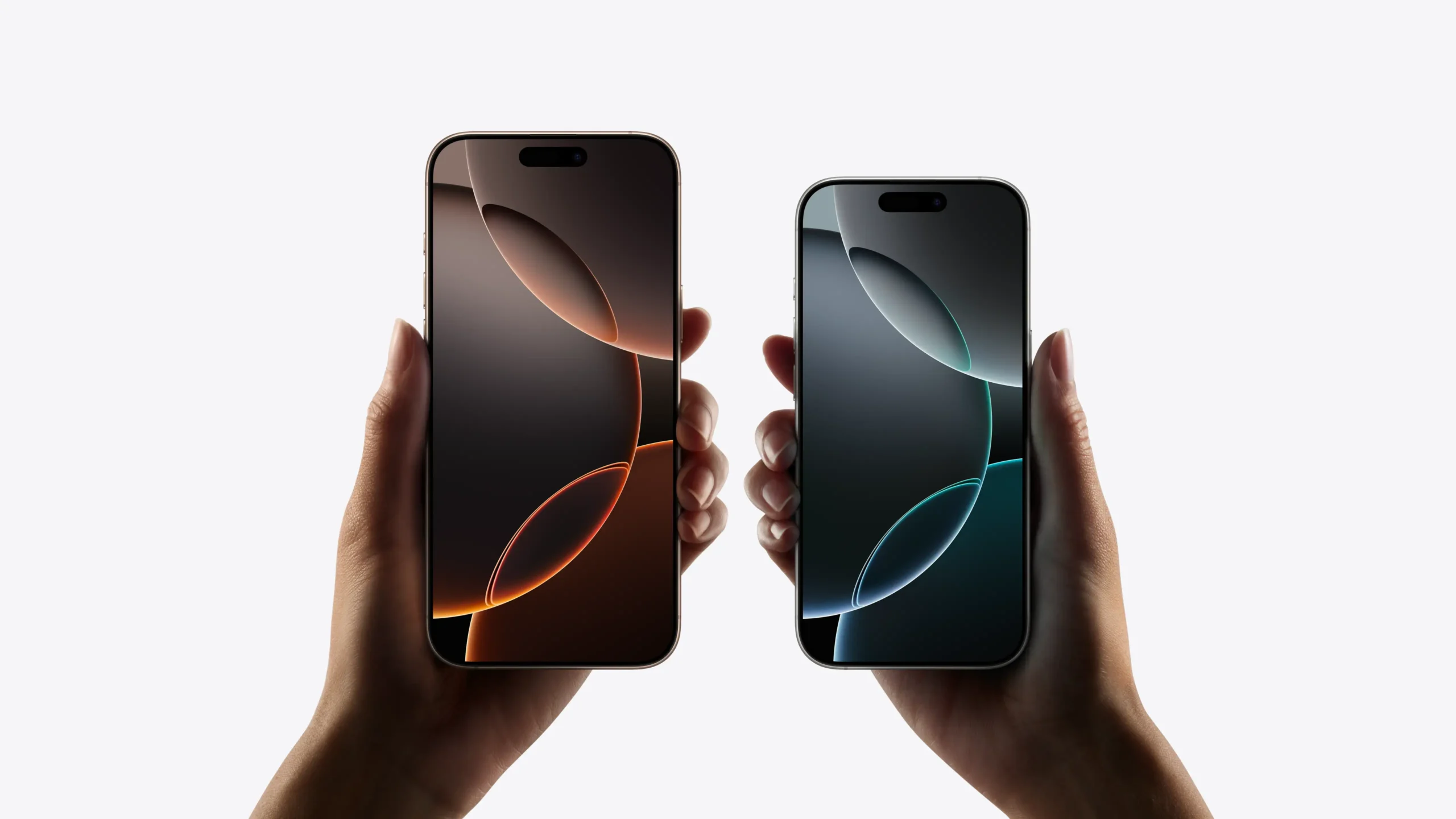

Samsung currently holds a dominant 60% share but faces mounting pressure from Chinese manufacturers who have aggressively pushed the boundaries of thinness and battery charging speeds. However, Apple's ecosystem integration remains its unassailable moat. The seamless continuity between a folded iPhone, an iPad, and a MacBook—powered by iCloud and the new AI driven Siri strategy—could sway Android users who have been hesitant to leave their walled garden.
Analyst Ming Chi Kuo warns of production hurdles, potentially pushing shipments to 2027 despite a 2026 announcement. However, he notes that the high Average Selling Price (ASP) of a foldable could significantly boost Apple's revenue even with lower initial volumes.
Strategic Lessons & Future Outlook
Success here could spawn foldable iPads by 2027 and AR glasses. It aligns with Apple's sustainability push, using recyclable materials, and seamlessly connecting with the latest fitness focused Smartwatch lineup. The foldable future is unfolding, and Apple's UFG pursuit exemplifies its commitment to perfection.
"This isn't just another gadget; it's Apple's calculated entry into a market ripe for disruption, potentially setting new standards for durability, aesthetics, and user experience."
— NewsIQ Tech Analysis
As 2026 approaches, stay informed this could be the iPhone that redefines mobility. Apple's involvement could accelerate innovation, much like how the iPhone revolutionized touchscreens in 2007. The industry is watching with bated breath, knowing that when Apple finally unfolds its hand, the game changes for everyone.
Conclusion
Apple's rigorous testing of Ultra Thin Flexible Glass (UFG) signals a definitive solution to the industry wide "crease problem." By prioritizing durability with a variable thickness design and leveraging its powerful ecosystem, Apple is poised to redefine the foldable market in 2026. While the wait continues, the promise of a seamless, durable, and highly integrated foldable iPhone suggests it will be well worth it.

 Skasif