ISRO Declares 2026–27 as ‘Gaganyaan Years’ Ahead of Crewed Mission
 Skasif
06/02/2026
Skasif
06/02/2026 
ISRO Marks 2026–27 for Gaganyaan, India’s Crewed Spaceflight
Bengaluru: India’s space programme is picking up speed like never before. On February 5, ISRO Chairman V. Narayanan shared big updates at the fifth convocation of D Y Patil Vidyapeeth. He called 2026 and 2027 the “Gaganyaan years” as India gets ready for its first crewed spaceflight. This means three uncrewed test flights first, then astronauts heading to orbit in early 2027.
Narayanan also talked about lunar missions. Chandrayaan-4 and Chandrayaan-5 are both on schedule for around 2028. These steps show India’s push to join the big players in space think crewed Moon landings and even a space station. For a country that landed on the Moon’s south pole with Chandrayaan-3 just a couple of years back, this feels like the next big leap.
The news comes at a time when space race is hot. Countries like the US, China, and now India are racing for Moon samples and human footprints. ISRO’s plans fit right into Prime Minister Narendra Modi’s vision for self-reliance in space tech, or Atmanirbhar Bharat in space terms.
Gaganyaan Mission Gears Up for Key Tests
Gaganyaan is India’s human spaceflight programme, and it’s now in the final stretch before real flights. The first uncrewed test, called G1, is set for March 2026. This mission will carry Vyommitra, a smart half-humanoid robot. Vyommitra’s job is to act like an astronaut check life support systems, monitor cabin air, and test everything in space conditions.
The crew module will go to low Earth orbit, about 400 km up, stay there for three days, and then splash down in the sea for recovery. ISRO says G1 is already 90% ready. They have done over 8,000 ground tests to make sure nothing goes wrong. These tests check engines, parachutes, heat shields all the tough parts of re-entry.
After G1, two more uncrewed flights will happen. Then comes the big one: the crewed Gaganyaan mission in the first quarter of 2027. Three Indian astronauts will ride the human-rated LVM3 rocket, India’s trusted launch vehicle from past successes like Chandrayaan and Mangalyaan. This flight will put India as the fourth country to send humans to space on its own, after Russia, US, and China.
Why so many tests? Space is unforgiving. Remember the early days of NASA’s shuttle programme—lots of unmanned runs before people went up. ISRO is doing the same to keep astronauts safe. The crew module has emergency abort systems and tough heat shields that can handle 3,000-degree re-entry heat. All this tech has been proven in short flights already.
Meet the Astronauts Training for History
Four astronaut candidates are deep into training. They are Group Captains Shubhanshu Shukla, Prasanth Balakrishnan Nair, Ajit Krishnan, and Angad Pratap all from the Indian Air Force. Their prep includes zero-gravity flights, survival training in water and jungles, and simulator runs at ISRO’s facilities in Bengaluru.
They have also trained abroad, at places like Russia’s Gagarin centre. Shukla is even in line for an Axiom mission to the International Space Station later this year, which will give India hands-on experience before Gaganyaan. These men represent every Indian’s dream of touching the stars. Their families back home must be feeling a mix of pride and worry, just like in any big national moment.
Training isn’t just physical. They learn to handle yoga in space for fitness, operate onboard computers, and respond to emergencies. ISRO’s human spaceflight centre in Bengaluru oversees this, with doctors checking health round the clock. By 2027, one or more of them could be orbiting Earth, waving to India from 400 km up.
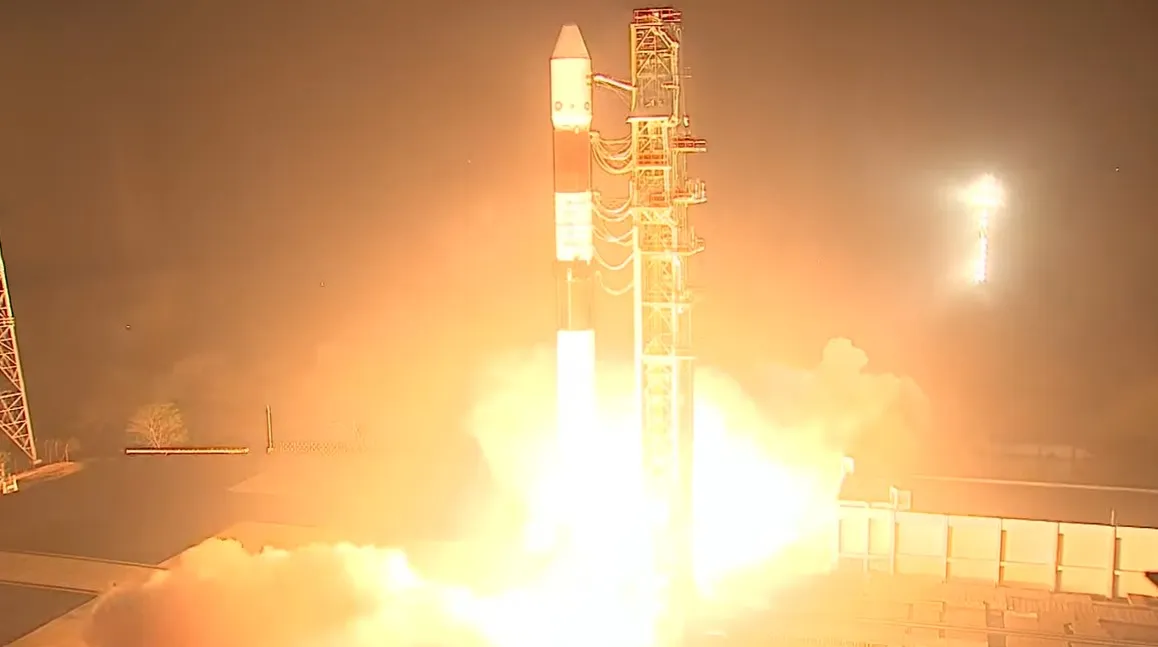
The Systems Powering ISRO's Gaganyaan and Lunar Missions.
— Veo Prompt (@VeoPrompt) February 6, 2026
With over 8,000 ground tests and the development of a human-rated LVM3 rocket, ISRO's methodology exemplifies mission-critical engineering. This article provides a technical overview of the challenges and innovations in… pic.twitter.com/199o6QDPTU
Chandrayaan-4: Bringing Moon Rocks Home
Now to the Moon. Chandrayaan-4 is India’s boldest lunar plan yet a sample return mission. Set for 2028, it will grab two to three kilograms of Moon soil and rocks from near the Chandrayaan-3 landing site. That’s the south pole area, rich in mysteries like water ice hints from earlier missions.
A robotic arm and drill will do the collection. Then, the samples come back to Earth in a capsule, just like China’s Chang’e-5 did in 2020. Only four countries have pulled this off: US, Russia (earlier Soviet days), China, and soon India. Scientists here can’t wait they’ll study the rocks for clues on Moon’s history, maybe even signs of ancient water or minerals useful for future bases.
This mission uses the Next Generation Launch Vehicle (NGLV) for heavier lifts. ISRO has tested key parts already. Challenges include precise landing, sample handling without contamination, and safe return through Earth’s atmosphere. But with Chandrayaan-3’s perfect touchdown in 2023, confidence is high. Narayanan said it’s “progressing as per schedule,” which is music to space fans’ ears.
Chandrayaan-5 Teams Up with Japan
Chandrayaan-5 is next, a joint effort with Japan’s JAXA. Called Lunar Polar Exploration, it targets water ice at the Moon’s south pole. Water there could mean fuel, air, and drinking supply for future missions game-changer for long stays on Moon.
This mission also launches around 2028. It builds on Chandrayaan-1’s 2009 discovery of water molecules. JAXA brings rover tech, ISRO the lander and orbiter. Together, they’ll drill and analyse ice in shadowed craters where temperatures drop to minus 200 degrees. Such partnerships help share costs and brains India-Japan space ties are strong, from NISAR satellite to now this.
Both Chandrayaan missions show ISRO’s shift from orbiters to landers, rovers, and now returns. From budget wins like Mangalyaan (just 74 million dollars) to these high-stakes ones, India proves you don’t need endless money, just smart engineering.
Long-Term Dreams: Moon Landing and Space Station
Narayanan didn’t stop at 2028. He revealed a crewed lunar landing by 2040, as directed by PM Modi. This needs a giant next-gen rocket, taller than a 40-storey building, able to carry 30 tonnes to low Earth orbit. Think Saturn V scale, but Indian-made.
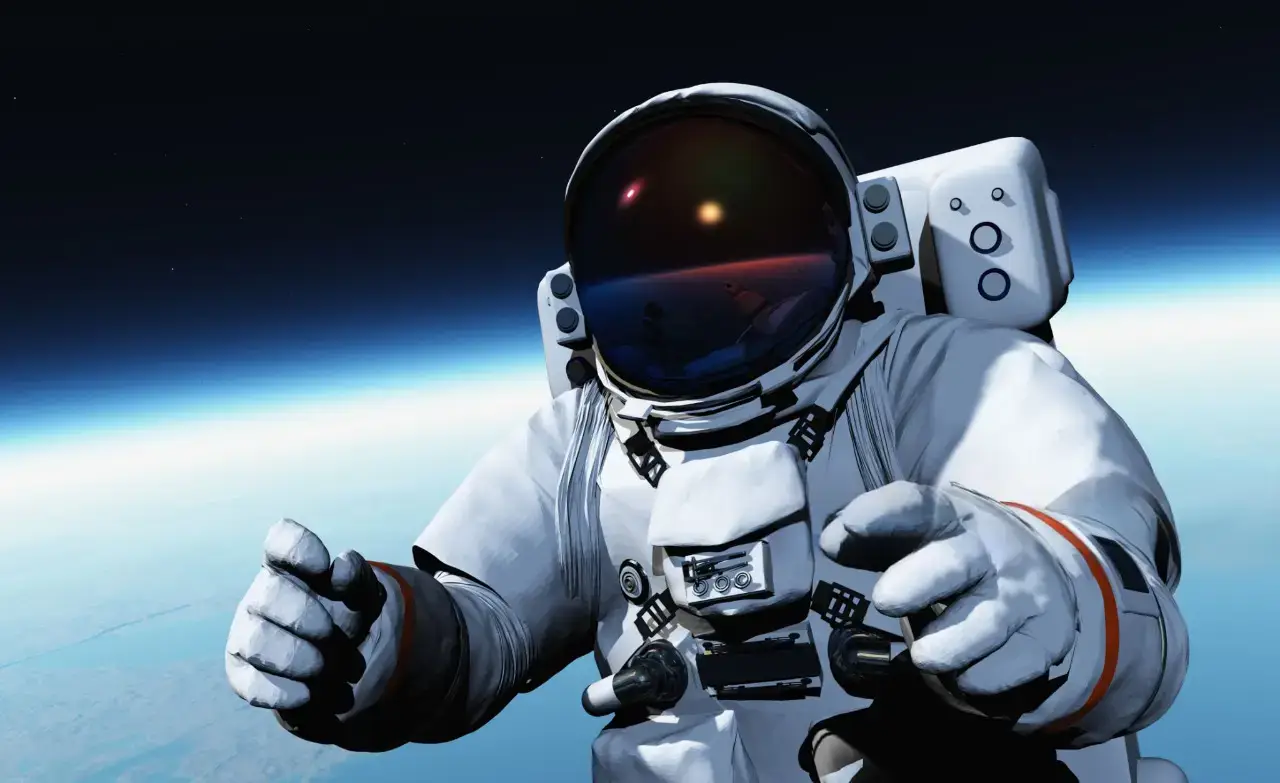
Before that, the Bharatiya Antariksh Station (BAS). First module orbits by 2028, full station running by 2035. It will have five modules for research, manufacturing in space, and maybe even tourism one day. India joins the club with ISS experience from visiting astronauts.
These goals need big investments ISRO’s budget is rising, with private players like Skyroot and Agnikul joining in. Challenges like tech hurdles and global competition exist, but ISRO’s track record speaks: 50+ launches last year, all success.
What does this mean for India? Jobs in space tech, especially in Bengaluru, Hyderabad, and new centres. Students at places like D Y Patil now have clear goals become the next Shukla or build the next rocket. Nationally, it’s about pride and progress. As Narayanan put it, these are steps to make India a space power.
ISRO’s journey from 1969’s small rocket to 2040 Moon walks shows grit. With Gaganyaan tests starting soon, excitement builds. Watch this space literally.