Musk’s X Money Payments Are Coming: Here’s What Changes Next
 Skasif
11/03/2026
Skasif
11/03/2026 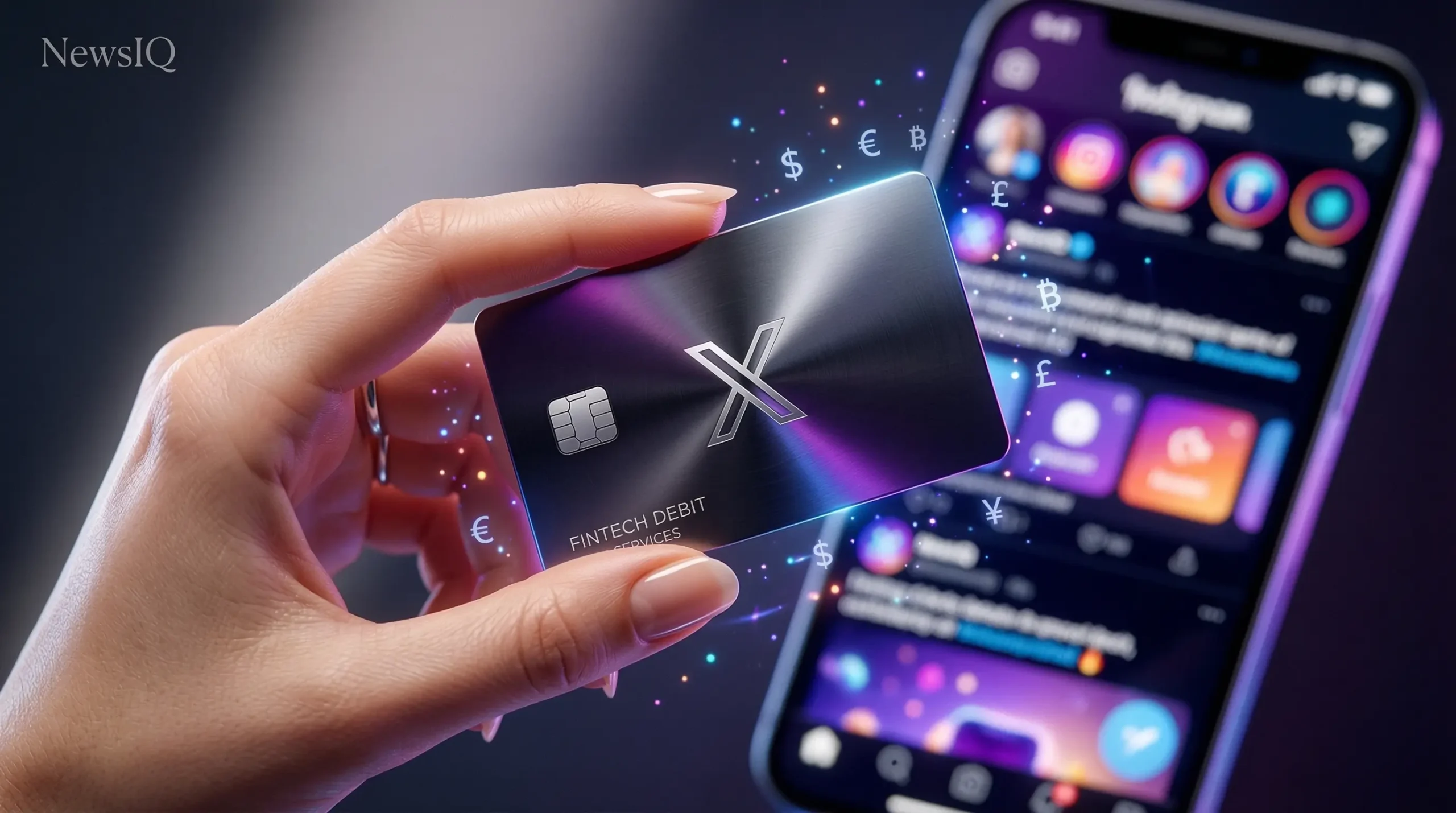
Musk says X Money will enter early public access in April
What exactly is X Money and when does it launch?
Musk has been testing X Money quietly inside the company, with the service live in a closed beta for X employees as of February 2026. During an internal meeting on February 11, he told staff the product would move to an external beta “in the next month or two” before reaching all X users worldwide, setting the stage for a March or April public opening.
That timeline now looks firmer. Crypto‑focused outlets and X‑native commentators report that X Money is set to “launch early public access next month,” shifting it from a small controlled test into something regular users can touch. Early access will still be limited, but it is the first time Musk’s payments dream leaves the lab and hits real user wallets.
For now, this launch is framed as “early public access,” not a full global switch‑on. X will expand state by state in the US and then into other regions as licenses and partners line up.
How the closed beta quietly went public
Until now, X Money has lived in the shadows: internal tests, NDAs, and a small circle of power users. Musks’s February comments confirmed that employees have been using the product in closed beta, sending money inside the app and testing the card and wallet functions.

Some of the first public clues came not from X itself, but from early testers and influencers. Reports pulled from William Shatner’s charity tie‑in describe invitations being auctioned off for donations, giving a handful of people access to X Money before everyone else. Those users started sharing screenshots: balances inside X, card controls, and a surprisingly aggressive yield number.
That quiet beta is now turning into a broader external test. Industry coverage describes X Money as “exiting the shadows” with a limited rollout that includes a real debit card, a real APY, and live deposits held at a regulated US bank. In other words, this is no longer just a slide in a Musk deck.
Features Musk is actually putting on the table
The headline feature is the yield. Multiple reports from beta testers and finance blogs say X Money promises around 6% annual percentage yield on cash deposits, which would put it far above many traditional savings accounts in both the US and Europe. Early screenshots reportedly show that this APY is tied to paycheck deposits into the X account, suggesting X wants to sit closer to your main bank than a casual wallet.
On top of that, there is a metal debit card linked to the X Money balance. The card is issued through Visa, according to several reports, which means it should work on the same global network US and EU users already know from their regular bank cards. Cardholders can earn cashback, though the exact reward rates and caps have not been fully disclosed yet.
Under the hood, deposits are held by Cross River Bank, a New Jersey‑based institution that is an FDIC member in the US. That means eligible US deposits are insured up to 250,000 dollars per customer, giving X Money the same basic safety net that many neobanks rely on. For European users, separate local protection schemes would apply once X Money partners with EU‑regulated entities; so far, public details focus mainly on the US setup.
𝕏 Money early public access will launch next month
— Elon Musk (@elonmusk) March 10, 2026
Beyond yield and the card, X Money is expected to support peer‑to‑peer transfers and a digital wallet tightly integrated into the X app. That means sending money to a friend in your replies or tipping a creator could feel as simple as sending a DM, rather than switching to a separate banking app.
Licenses, regulators, and where it works first
Payments is not a feature Musk can simply flip on worldwide. X has been collecting US state money transmitter licenses since 2023 under its X Payments (formerly Twitter Payments) subsidiary, allowing it to legally move money within those states. Early on, filings showed licenses in a handful of states including New Hampshire, Arizona, Michigan, Missouri, Georgia, and Maryland.
By mid‑2024, X‑watchers on the platform were tracking more licenses, citing California’s approval and listing dozens of US states where X Payments was cleared to operate. More recent coverage says X now holds money transmitter approvals in “more than 40” states, giving it the base it needs for a broad US launch once its tech stack is ready. That still leaves a few holdouts, but it is enough to reach a large chunk of the American user base.
In Europe, the path will look different. X will likely lean on e‑money and payments licenses governed by EU rules, with the European Commission and national regulators watching closely, especially around data protection and anti‑money‑laundering. So far, public reporting has focused more on features than on EU licensing paperwork, which means the exact timeline for European access remains less clear than in the US.
Wherever X Money launches, it will sit under existing financial rules, from US banking supervision and state money transmitter laws to GDPR and the EU’s Digital Services and Digital Markets frameworks. That regulatory weight is one reason Musk has moved slowly, even as he talks big about turning X into the center of users’ financial lives.
Why Musk thinks X Money is the “central source of all money”
Musk has talked about this idea for decades. Long before Tesla or SpaceX, he co‑founded X.com, an online bank that later became part of PayPal. In his recent remarks, he described X Money as “the central source of all monetary transactions” on the platform and a core part of his plan to make X into an all‑purpose app for chatting, shopping, and payments.
🚨 EXCLUSIVE: X Money is FINALLY leaving the lab
— Veo Prompt (@VeoPrompt) March 11, 2026
Elon Musk just confirmed early public access starts NEXT MONTH.
✅ 6% APY on savings
✅ Metal Visa debit card
✅ P2P payments inside X
The "everything app" is becoming real. Here is what you need to know 🧵👇 pic.twitter.com/VdUahfpYAS
The pitch is simple: if your friends, favorite creators, and favorite brands already live on X, why not move your money there too? In theory, X Money could power tipping, subscription payments, digital goods, and even small business sales, all inside the same feed where people argue about sports and politics. Pair that with stock and crypto “Smart Cashtags,” which X leadership has teased as a way to trade assets from inside the app, and you get something much closer to a Western version of WeChat.
That vision comes with real risk. X would be sitting on transaction data, spending patterns, and social graphs at the same time, which raises obvious questions about privacy and how that data could be used or misused. Regulators in both Washington and Brussels have already shown they are willing to push back when tech platforms mix social power with financial services.
What this means for US and EU users
For US users, the near‑term impact is straightforward: if you get an invite to early access, you may be able to open an X‑branded account, move some cash over, and start earning a yield that rivals or beats many online savings accounts. You also gain another debit card in your wallet, this time tied to your social identity as much as your bank balance. For creators and small businesses, there is the lure of tighter integration between followers and payments.
For European users, the story is more “watch this space.” Musk clearly wants X Money to be global, but hard details on EU launch timing and partners are still thin. Given how closely EU authorities have scrutinized large platforms on data and consumer protection, expect more formal announcements and legal filings before X Money is widely available across the bloc.
Across both regions, users will have to decide how much they trust X with their financial life. The yield and convenience might be tempting, especially for people already living inside the app every day. At the same time, the platform’s history, moderation choices, and business swings will factor into whether people treat X Money as a fun side wallet or a serious home for their savings.
Who should pay attention next month?
If you are in the US and already active on X, X Money could soon offer a direct alternative to services like Cash App, Venmo, and PayPal, especially if the 6% yield and card rewards hold up under full terms. For investors and fintech competitors, the early public launch is the first real test of whether Musk can translate his “everything app” rhetoric into a product people actually trust with their paychecks.
For European readers, the next phase is all about signals: which countries appear in early documentation, which regulators comment first, and whether X chooses to roll out through one or more EU hubs. If X Money does land cleanly in both the US and Europe, it has the potential to pull payments directly into the social layer at a scale not seen outside of China.
Are you aiming this piece more at retail users deciding whether to sign up, or at investors and fintech watchers tracking the competitive threat X Money poses?