“Get This Little Bitch Out”: Trump’s Words to Teen After Assault, FBI Says
 Skasif
07/03/2026
Skasif
07/03/2026 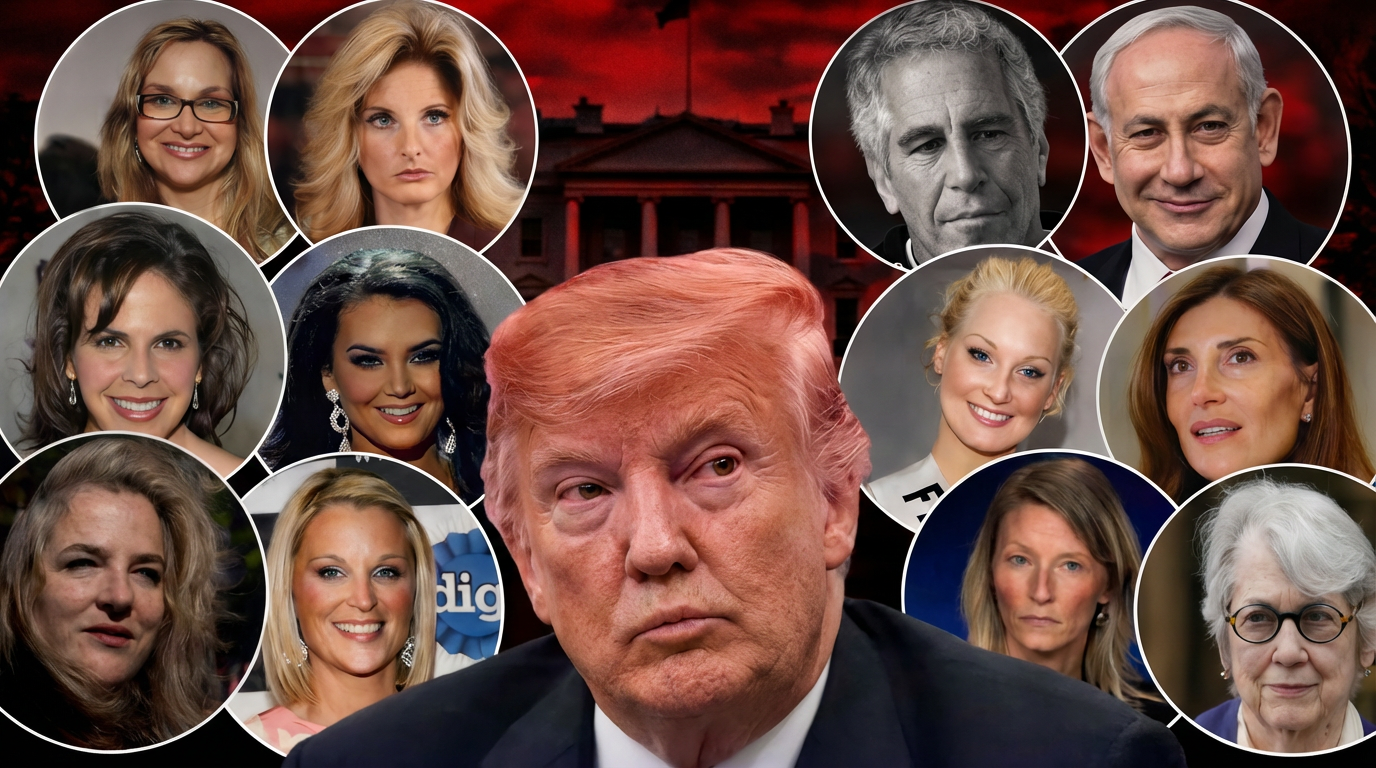
Files That Were Never Supposed to See Daylight
On March 6, 2026, the United States Department of Justice quietly uploaded a batch of documents to its online repository. Buried within thousands of pages were three FBI memos that had been missing for months summaries of interviews with a woman who claimed she was sexually assaulted by Donald Trump when she was between 13 and 15 years old.
The timing was remarkable. For weeks, journalists and transparency advocates had been demanding answers about why these specific records were excluded from the massive trove of Jeffrey Epstein files released earlier this year. The Justice Department initially offered no explanation. Then came the admission: the files had been “incorrectly coded” as duplicates.
But for many watching closely, the explanation felt thin. These were not obscure documents buried in an endless archive. They were witness interview summaries the kind of records that form the backbone of any serious criminal investigation. And they contained allegations against a sitting president of the United States.
The story of how these files remained hidden, why they finally emerged, and what they actually contain reveals something deeper about how power operates in America. It is a story about justice delayed, about the different standards applied to the wealthy and connected, and about a system that struggles and often fails to hold its most powerful figures accountable.
The Allegations: What the FBI Memos Actually Say
The documents at the center of this controversy are known within the FBI as “302” forms — the standard templates agents use to summarize interviews with witnesses, victims, and subjects of investigation. They are not evidence of guilt. They are not court rulings. They are simply records of what someone told the FBI.
But in this case, what someone told the FBI is extraordinary.
According to the interview summaries obtained and reviewed by multiple news organizations including CNN, NBC News, and The Washington Post, the woman whose name remains redacted first contacted federal law enforcement in 2019, shortly after Jeffrey Epstein was arrested on sex trafficking charges. She described a pattern of abuse by Epstein that began when she was approximately 13 years old, living in South Carolina.
But her allegations went further.
In subsequent interviews, she told agents that Epstein had driven her to either New York or New Jersey to meet someone she described as having “money, money.” That person, she said, was Donald Trump.
The FBI memos describe a meeting in a “very tall building with huge rooms.” According to the woman’s account, Trump asked others present to leave the room. Then, she alleged, he unzipped his pants and put her head toward his penis.
What happened next, as recorded in the FBI summary, was violent. The woman told agents she bit Trump because she was disgusted by him. In response, she said, Trump struck her, pulled her hair, and punched her on the side of her head. She quoted him as saying, “get this little bitch the hell out of here.”
The memo concludes with a haunting detail: the woman recalled that later that day, a “blond beautiful woman” approached her and said, “let me give you a tip little girl about your breasts, wear a bra every night.” Those words, she told the FBI, stayed with her for decades.
The woman also described receiving threatening phone calls in the years following the alleged assault calls she believed were intended to intimidate her into silence. When an FBI agent asked who might be behind the threats, she reportedly said under her breath that if it wasn’t Epstein, “maybe it was the other one.” When asked to identify the “other one,” she said, “Trump.”
Investigation That Wasn’t
What did the FBI do with this information?
The available records suggest the answer is: not much.
According to documents obtained by multiple news outlets, agents conducted four interviews with the woman in 2019. They found her initial allegations against Epstein significant enough to warrant follow-up conversations. But the fourth interview was abbreviated, and there is no indication in the publicly released files that agents ever attempted to verify her claims about Trump.
An email between FBI agents included in the Justice Department’s document release noted that “one identified victim claimed abuse by Trump but ultimately refused to cooperate.” The email does not specify whether this refers to the same woman, and no further details are provided.
The woman did file a civil lawsuit against Epstein’s estate in 2019. Court records reviewed by NBC News show that she was identified in that case as “Jane Doe 4” and that her claims included being abused by Epstein and brought to gatherings in New York City with “prominent, wealthy men.” She did not name Trump in the lawsuit.
In May 2021, a court record noted that “Jane Doe 4” had been “deemed ineligible to receive compensation” by the Epstein Victims’ Compensation Program an independent system set up to review claims. The reason for that determination remains unclear. Later that year, she voluntarily dismissed her lawsuit. Her lawyer later told a local newspaper that she received a financial settlement from the estate.
But the criminal investigation into her allegations against Trump? It never happened. And with Trump now back in the White House, it almost certainly never will.
Missing Files: How Key Documents Disappeared
The story of how these FBI memos remained hidden for months is itself a window into the opacity of the American justice system.
When Congress passed the Epstein Files Transparency Act last year, it mandated that the Justice Department make public a wide array of records related to the disgraced financier by mid-December. The agency did release more than 100,000 pages by that deadline but the vast majority of its files did not appear until weeks later, long after the statutory deadline had passed.
Even then, something was missing.
Journalists and transparency advocates who combed through the released materials noticed that dozens of witness interview summaries known as 302s were absent from the archive. Among the missing were three memos documenting the woman’s allegations against Trump.
According to a CNN analysis published in late February, the absence of these records was glaring. The network reported that “dozens of witness interviews were missing from the online archive of evidence related to the Jeffrey Epstein investigation, all of which were memorialized in so-called ‘302’ memos.”
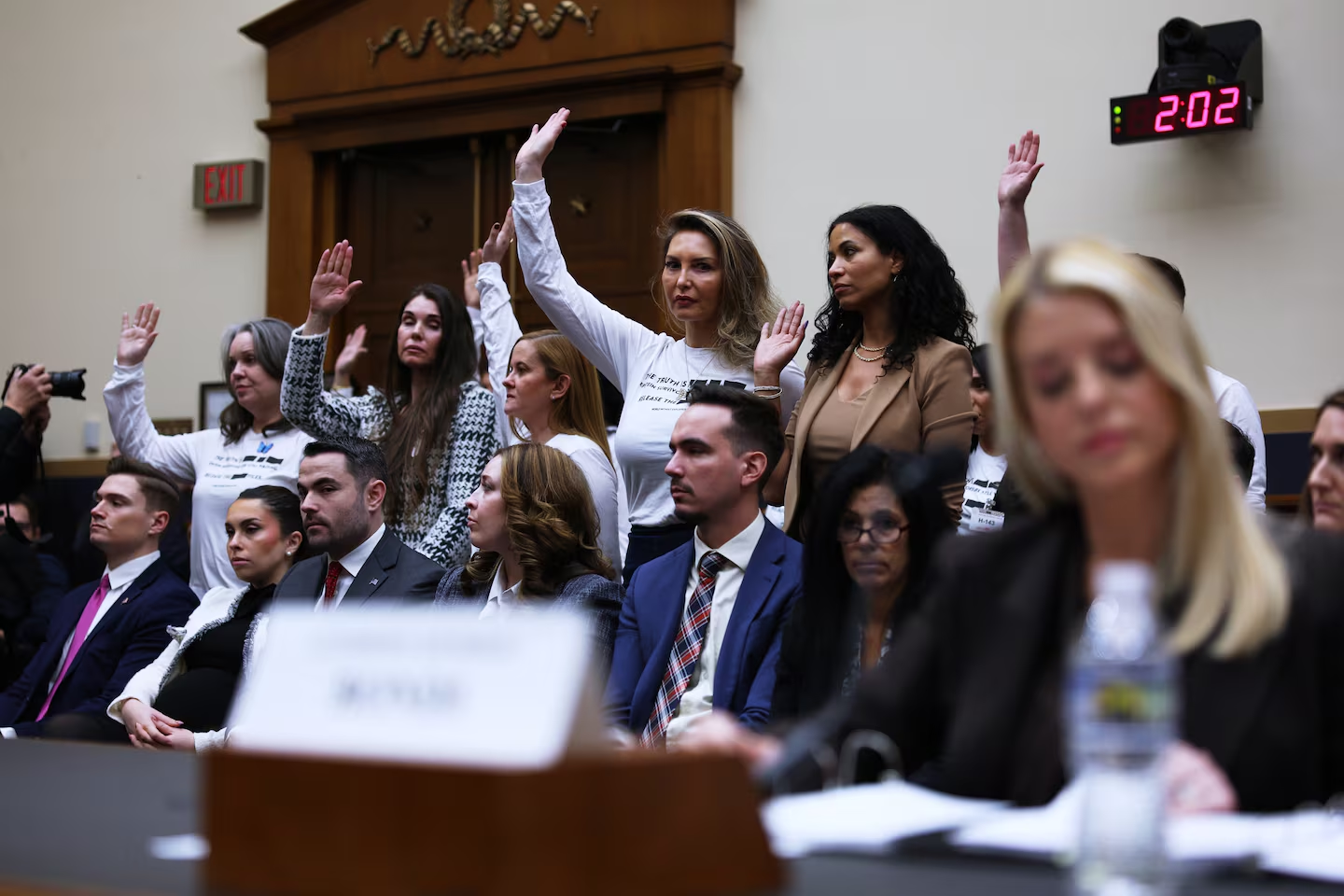
The Washington Post followed with its own reporting, noting that lawmakers had faulted the Justice Department for missing the deadline, failing to redact some information related to victims’ identities, and redacting other information excessively. The newspaper also reported that Rep. Robert Garcia of California, the top Democrat on the House Oversight Committee, had previously said the documents relating to the woman were not included in an unredacted collection of files available for lawmakers to view at the Justice Department.
Facing mounting pressure, the Justice Department announced in late February that it would review whether any documents had been “improperly tagged in the review process.” If so, officials said, they would be released.
On March 6, they were.
But the explanation offered by the department that the files had been “incorrectly coded” as duplicates satisfied few. Critics pointed out that these were not obscure documents buried in a massive archive. They were witness statements containing allegations against a sitting president. The idea that they were accidentally omitted strained credulity.
“The timing of this release, the pattern of withholding, and the thin explanation all point to something more than bureaucratic error,” said one former Justice Department official who spoke on condition of anonymity. “When the system encounters allegations against powerful people, it has a way of slowing down, of losing things, of making problems disappear. That’s what this looks like.”

White House Response: Dismissal and Deflection
The White House response to the document release was swift and uncompromising.
Press Secretary Karoline Leavitt issued a statement describing the allegations as “completely baseless accusations, backed by zero credible evidence, from a sadly disturbed woman who has an extensive criminal history.”
The statement also sought to turn the tables on the previous administration: “The total baselessness of these accusations is also supported by the obvious fact that Joe Biden’s Department of Justice knew about them for four years and did nothing with them because they knew President Trump did absolutely nothing wrong.”
Leavitt added that Trump had been “totally exonerated by the release of the Epstein Files” a characterization that puzzled legal experts, since the files contain no determination of innocence or guilt, only witness statements.
The White House also pointed to a statement the Justice Department issued in January, when the vast majority of Epstein files were first made public. That statement said: “This production may include fake or falsely submitted images, documents or videos, as everything that was sent to the FBI by the public was included in the production that is responsive to the Act. Some of the documents contain untrue and sensationalist claims against President Trump that were submitted to the FBI right before the 2020 election.”
But the newly released memos were not submitted by the public. They were created by FBI agents during interviews with a woman who came forward voluntarily after Epstein’s arrest. And while the Justice Department’s January statement characterized some claims against Trump as “untrue and sensationalist,” it offered no evidence to support that characterization no investigation, no corroboration, no debunking.
What the statement did do, critics say, was plant a seed of doubt before anyone had even seen the documents. It was pre-spin, designed to shape public perception before the facts could speak for themselves.
Broader Pattern: Epstein, Power, and the Two-Tiered Justice System
To understand why this matters why these allegations against Trump are not just another political scandal it helps to step back and look at the bigger picture.
Jeffrey Epstein’s operation did not exist in a vacuum. For decades, he cultivated relationships with some of the most powerful men in the Western world: billionaires, politicians, royalty, academics. He flew them on his private jets. He hosted them at his homes. He provided them with young girls.
And for decades, almost nothing happened to him.
In 2008, Epstein pleaded guilty to state charges in Florida and received a sentence that shocked even seasoned court watchers: 18 months in a county work-release program, with liberal “time off” to spend at his office. The deal was negotiated by a U.S. Attorney named Alexander Acosta, who later served in Trump’s cabinet.
In 2019, after the Miami Herald published a devastating investigation into Epstein’s crimes, federal prosecutors in New York finally indicted him on sex trafficking charges. But before he could stand trial, Epstein was found dead in his jail cell an apparent suicide that raised more questions than it answered.
Since then, thousands of pages of documents have been released, revealing the names of Epstein’s associates and the extent of his network. But no powerful figure has faced serious legal consequences.
Prince Andrew, the Duke of York, was accused in court documents of sexually abusing a teenage girl supplied by Epstein. He denied the allegations but settled a civil lawsuit for an undisclosed sum. He has not been charged with any crime.
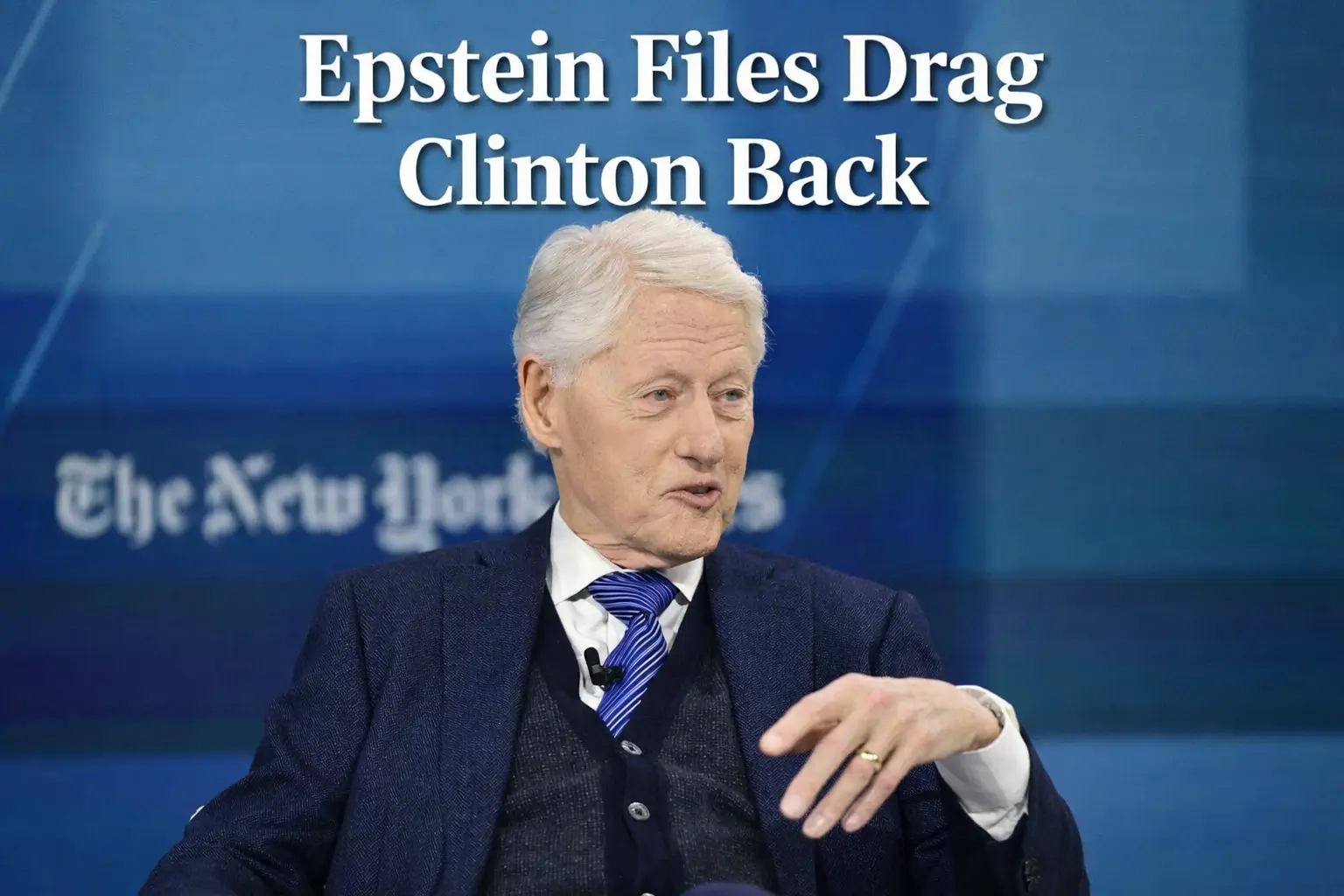
Bill Clinton, the former president, flew on Epstein’s private jet dozens of times. When asked about their relationship, his team said he “knew nothing” about Epstein’s crimes. He has not been charged.
Alan Dershowitz, the Harvard law professor, was accused of sexual involvement with a minor. He denied it and was not charged.
Les Wexner, the billionaire founder of Victoria’s Secret, gave Epstein total control over his finances for years. Epstein stole millions. Wexner was not charged.
Jean-Luc Brunel, a French modeling agent and Epstein associate, was arrested in 2020 on charges of raping underage girls. He was found dead in his Paris jail cell in 2022, awaiting trial.
And now Donald Trump, the sitting president, faces detailed, on-the-record FBI allegations of sexually assaulting a teenager. The White House calls them baseless. The Justice Department has not investigated.
Pattern is unmistakable. In America, if you have enough money and power, the law bends. Investigations stall. Files get lost. Witnesses are ignored. And the powerful walk free while their accusers are dismissed as disturbed, opportunistic, or worse.
Media’s Role: Covering Power vs. Holding It Accountable
The mainstream media’s handling of the Epstein story has been a study in contrast.
When the allegations first emerged in the early 2000s, they received little attention. When Epstein got his sweetheart plea deal in 2008, it was barely a blip. It took the Miami Herald’s investigative series in 2018 years of dogged reporting by a team of journalists to force the story back into the spotlight.
Since then, coverage has been extensive but uneven. Some outlets have pursued the story aggressively, digging through court records and tracking down witnesses. Others have treated it as a curiosity a tabloid saga rather than a systemic failure of justice.
The release of the Trump-related FBI memos has exposed another dynamic: the reluctance to scrutinize the powerful in real time. Major news organizations have reported the allegations, but always with caveats “unverified,” “uncorroborated,” “denied by the White House.” Those caveats are not wrong, but they create a subtle imbalance. The accuser’s credibility is questioned; the accused’s power is taken as a given.
There is also the question of resources. Investigating allegations against a sitting president requires time, money, and legal firepower that most news organizations lack. It means fighting for documents, chasing down leads, and withstanding pressure from the most powerful office in the world. Many outlets have simply chosen not to try.
The result is a kind of informational stalemate: the allegations are public, but they have not been investigated. They exist in a legal and journalistic limbo too serious to ignore, too difficult to prove.
What Comes Next: Questions That Remain Unanswered
The release of the FBI memos answers one question what happened to the missing documents? but raises many others.
Why were these specific records excluded from the initial document dump? The Justice Department’s explanation that they were “incorrectly coded” as duplicates is thin, and critics are not buying it. If these files were misfiled by accident, what does that say about the department’s document review process? If they were withheld deliberately, who made that decision and why?
What did the FBI do with the woman’s allegations? The available records show that agents interviewed her multiple times and found her initial claims about Epstein significant enough to pursue. But there is no indication they ever attempted to verify her claims about Trump. Was that a resource issue? A judgment call? A decision made at a higher level?
Why was the woman deemed ineligible for compensation by the Epstein Victims’ Compensation Program? The program was designed to independently review claims and provide restitution to survivors. Her exclusion raises questions about how those determinations are made and whether they are always fair.
What about the threatening phone calls the woman described? The FBI memos note that she reported receiving calls she believed were intended to intimidate her. Were those calls ever investigated? If so, what did investigators find? If not, why not?
And finally, the largest question of all: In a system that claims to treat all citizens equally under the law, why do allegations against the powerful so often lead nowhere?
The System on Trial
The Epstein files are not just a collection of documents about a dead sex offender. They are a record of how power operates in America how the wealthy and connected shield themselves from accountability, how the justice system slows to a crawl when confronted with the powerful, and how the media struggles to keep up.
The newly released FBI memos add another chapter to that story. They contain allegations that are disturbing, detailed, and specific. They come from a woman who sat for multiple interviews with federal agents and whose initial claims about Epstein were taken seriously enough to warrant follow-up. They describe not just abuse, but a pattern of threats and intimidation that continued for years.
And yet, nothing happened. No charges. No investigation. No public accounting. Just a statement from the White House calling the accuser disturbed and the allegations baseless.
For those who have followed the Epstein story from the beginning, this outcome is painfully familiar. It is the same pattern that allowed Epstein to operate for decades, the same pattern that produced a lenient plea deal in 2008, the same pattern that left so many survivors without justice.
The files are out now. The allegations are public. But whether they will lead to anything whether the system will finally hold someone accountable remains to be seen.
What is certain is that the world is watching. And what it sees will shape how it views America’s claims to justice, equality, and the rule of law.