US blockade of Iranian ports: China warns of oil price catastrophe
 Skasif
13/04/2026
Skasif
13/04/2026 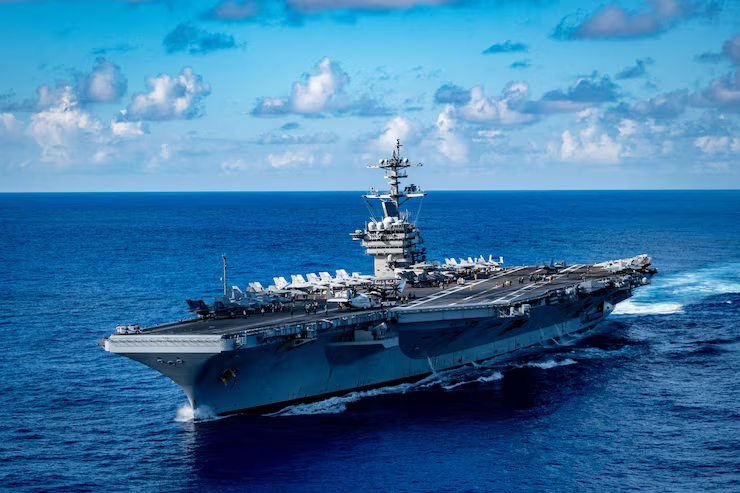
U.S. Navy begins enforcing a maritime blockade on Iranian ports as global oil prices surge past $100 per barrel.
US Blockade of Iranian Ports: China Urges Calm as Oil Prices Spike
The US blockade of Iranian ports scheduled to begin Monday morning has sent shockwaves through global energy markets, prompting Beijing to demand immediate restraint to prevent a total economic collapse.
According to Reuters and other reports, the U.S. military is preparing to halt all maritime traffic entering and exiting Iranian coastal areas starting at 10 a.m. ET. This aggressive move, announced after failed diplomatic negotiations, has already forced crude oil futures to jump back above $100 a barrel in Asian trading. With the global economy already struggling against persistent inflation, the threat of a prolonged shipping standoff in the Middle East has refiners, insurers, and consumers on high alert.
Why the US blockade of Iranian ports changes everything
This is not a standard sanctions package; it is a direct military intervention. The U.S. Central Command (CENTCOM) stated the move will be enforced against vessels from all nations heading to or from Iranian docks. While ships transiting the Strait of Hormuz to and from non-Iranian ports will still be allowed through, the operational reality of a naval blockade in such a narrow waterway makes every transit a high-risk gamble.
As reported by U.S. News, the timing is what makes this situation so volatile. The Strait of Hormuz is the world’s most significant oil chokepoint, handling roughly one-fifth of the total global oil trade every single day. When a fifth of the world’s energy supply is potentially caught in a military dragnet, the markets do not wait for the first ship to be boarded before reacting. The mere threat of disruption moves energy markets faster than physical shortages often do.
Immediate market reaction and the $100 barrel
The response from energy traders has been instantaneous. As news of the blockade plan broke, Reuters reported that oil futures climbed rapidly. Associated Press (AP) noted that U.S. crude rose about 8%, while Brent crude climbed about 7% in early trading sessions.
Investors are not just worried about a physical stoppage of oil; they are pricing in a complex web of secondary risks. According to market analysts, the current price surge reflects:
Retaliatory strikes: The fear that Tehran will respond against regional targets or shipping.
Insurance costs: Tanker insurance premiums are expected to skyrocket for any vessel entering the Gulf.
Logistical delays: Rerouting ships and taking longer shipping routes will add to the final cost of fuel.
Regional spread: The possibility that the conflict spreads beyond Iranian ports to involve neighboring states.
Beijing urges restraint as its energy security is threatened
China has the most to lose from a prolonged disruption, which explains the sharp tone coming from its Foreign Ministry. Reuters reports that China buys more than 80% of Iran’s shipped oil, and other data points to the scale of Beijing’s reliance on crude flowing through the Gulf corridor. For the Chinese economy, a successful US blockade of Iranian ports is a direct hit on its energy lifeline.
Foreign Ministry spokesperson Guo Jiakun has called for all sides to show restraint and keep the waterway open. Beijing is pushing for a ceasefire and a return to talks, viewing the military move as a test of how much strain the global oil system can take. Guo emphasized that the Strait of Hormuz should stay safe, stable, and open because that serves the interests of the international community.
Denials of military involvement and “malicious associations”
In an effort to manage the optics of the crisis, Beijing has been quick to dismiss reports that it might provide military aid to Tehran. Specifically, Guo Jiakun characterized claims that China is preparing to send shoulder-fired air defense systems to Iran as “groundless smears and malicious associations”. China is trying to walk a very fine line: it wants to avoid looking like Iran’s military backer while simultaneously warning Washington that a shipping fight in the Gulf could hit the entire global economy, not just Tehran.
impact on the US and European economies
While China is the primary buyer of Iranian crude, the ripples of this blockade will be felt in every American and European household. In the United States, the primary concern is whether higher oil prices will cut into the recent easing of inflation. If gas prices spike and stay high, it could hit consumer sentiment just as markets are already on edge.
For Europe, the pressure is even more immediate. The continent is already dealing with high fuel costs and economic stagnation. A prolonged standoff in the Gulf could drive up input costs for everything from diesel for trucks to jet fuel for airlines.

Rising Tensions Threaten Global Economy as Shipping Risks Grow
The impact of a potential blockade is expected to reach far beyond the energy sector, with rising oil prices and shipping costs putting pressure on industries and consumers worldwide.
Refiners are likely to face higher crude costs and possible supply disruptions. Airlines and shipping companies, which rely heavily on fuel, could see operating costs climb, slowing travel and trade. Manufacturers may also struggle as higher energy prices cut into profits.
For consumers, the effects could show up in everyday life from more expensive groceries to higher heating and utility bills.
Critical 72-Hour Window Ahead
The next 24 to 72 hours are seen as a key period that could shape the direction of the global economy.
Analysts are closely watching three main developments: whether the U.S. Navy will actively enforce the blockade by stopping and boarding ships, how Iran might respond, and whether diplomatic efforts can restart talks.
The United States has said that ships from other countries will still be allowed to pass. However, any military tension in the area is expected to slow shipping traffic and keep oil prices elevated.
A Broader Geopolitical Test
The situation goes beyond a single shipping route. It reflects growing tensions between major powers, along with concerns over energy security and the risk of wider conflict.
China views the move as a test of its ability to protect its energy interests. The United States sees it as a way to increase pressure after diplomacy failed to produce results.
If tensions continue, analysts expect higher oil prices, tighter shipping conditions, and increased strain on economies already dealing with inflation and slow growth. A further escalation could have wider effects, impacting industrial production and consumer prices.
Calls for De-escalation
For now, China is urging all sides to reduce tensions, keep key shipping routes open, and return to negotiations.
What happens next between the United States and Iran could shape not only the situation in the Middle East, but also energy prices and economic stability around the world.