Lured, Used, Eliminated: How the Bhagwa Love Trap Is Targeting Muslim Women
 Skasif
14/07/2026
Skasif
14/07/2026 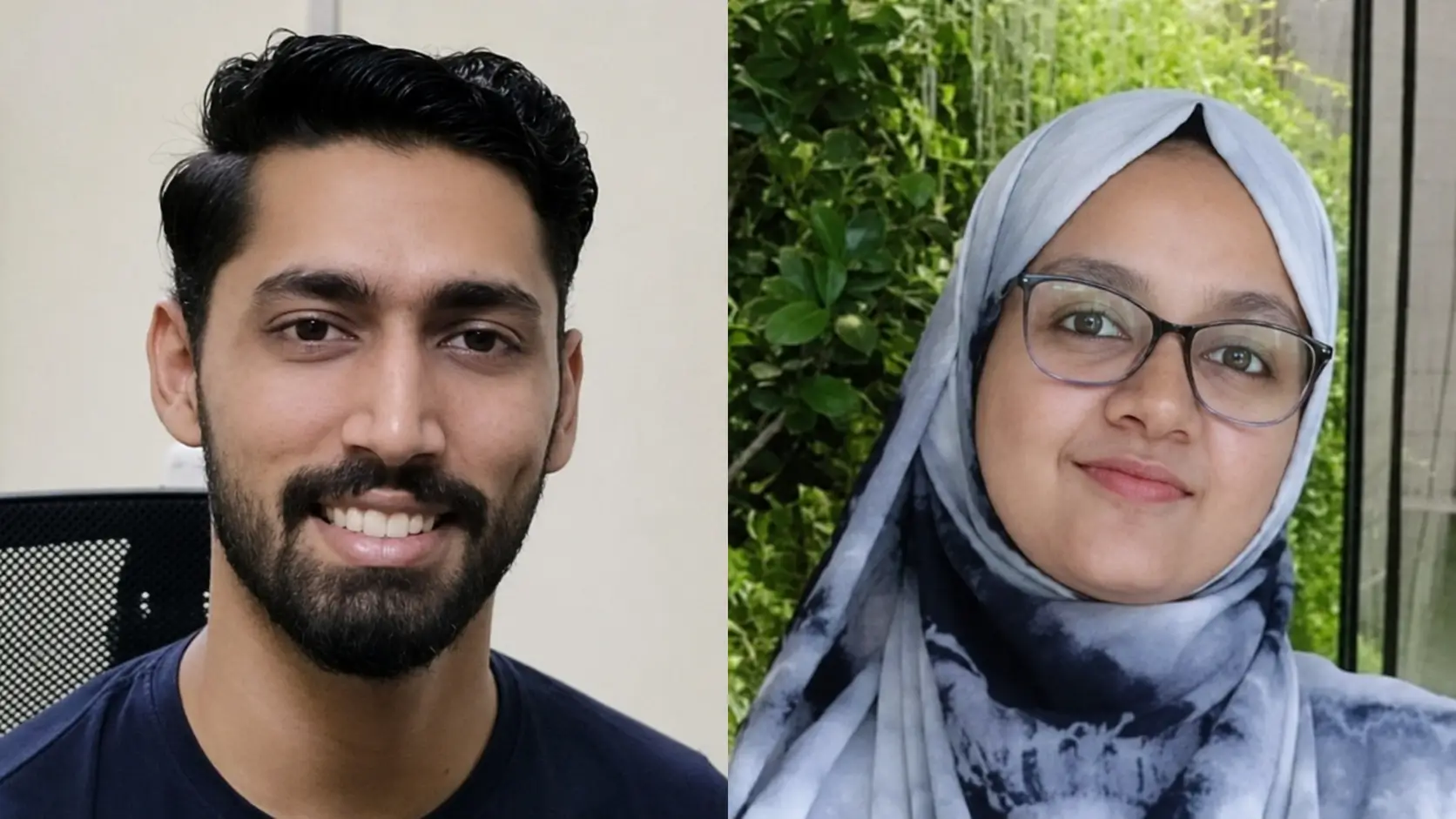
Insharah Ayyubi (right) and Shresth Malik (left). Insharah Ayyubi was killed by Shresth Malik in the Gurugram murder case. (File photo)
Insharah Ayyubi killed by Shresth Malik. A 25-year-old Muslim software engineer from a respected family in Sitapur, Uttar Pradesh, fell victim to what many call a classic Bhagwa love trap. Her Hindu colleague and boyfriend, Shresth Malik, allegedly stabbed her to death in his paying guest accommodation in Gurugram’s Sector 55 before taking his own life on railway tracks. The incident, which came to light on July 12-13, 2026, has sent shockwaves through communities, raising fresh questions about interfaith relationships, safety for young Muslim women in urban workplaces, and one-sided narratives around “Love Jihad.”
Timeline of the Insharah Ayyubi Killing Case
Insharah Ayyubi, a Jamia Millia Islamia alumnus and rising software engineer at Optum, a global healthcare services company, had built a promising career. She graduated in computer science engineering and was known among peers as talented, with involvement in Smart India Hackathon as a finalist. Her family lost contact with her. They filed a missing person complaint at Sector-56 police station.
Gurugram Police traced her mobile phone location to a paying guest accommodation in Sector 55. When officers forced open the locked room, they discovered her body in a pool of blood. Post-mortem revealed multiple stab wounds, including six injuries to her neck and upper left side, with her throat slit. Preliminary investigation showed she had moved into the PG with Shresth Malik just three days prior.
Shresth Malik, also 25, an AI engineer from Bhilai, Chhattisgarh, and her colleague at the same company, allegedly committed the murder. His body was later found on the railway tracks near Garhi station, severed after he jumped in front of a train. Police linked the cases through phone location data and documents. An FIR has been registered, and the investigation is ongoing as of July 14, 2026. Both bodies were sent for post-mortem, and families have been informed.
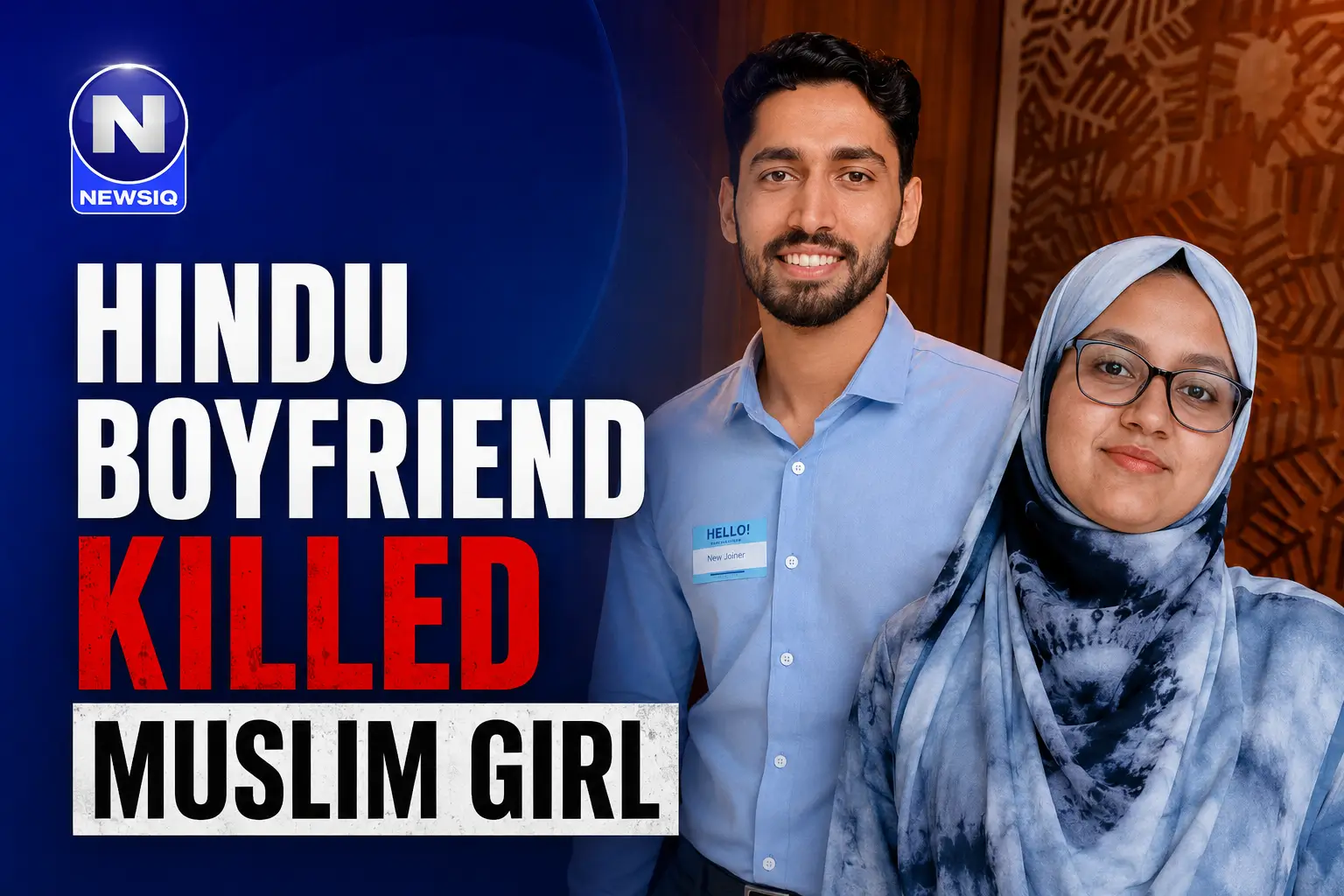
Hard Reality of Bhagwa Love Traps Targeting Muslim Girls
The term “Bhagwa love trap” refers to cases where Hindu boys allegedly befriend or romance Muslim girls with ulterior motives emotional manipulation, physical exploitation, forced conversion, or worse. In Insharah Ayyubi’s case, the relationship moved fast from colleague to boyfriend to live-in partner, ending in her death. Even her hijab and family Islamic background could not shield her. Her brother continues studies at Jamia Millia Islamia, adding to the family’s pain.
Such traps exploit modern workplaces and college environments where young people mix freely.
Conservative Muslim families often warn daughters, but urban professional life creates opportunities for close interactions. The pattern repeats: boy shows interest, gains trust, pushes boundaries, and discards or harms when complications arise.
Documented Similar Cases Across India
This is not an isolated tragedy. Several cases show similar patterns of Muslim girls trapped by Hindu boys, leading to exploitation and violence:
- 2024 Meerut Case: A young Muslim woman in her mid-20s entered a relationship with a Hindu man from the same office. After months of living together, she was found murdered. Family alleged he promised marriage and conversion but killed her when she pushed for formal commitment.
- 2023 Gurugram Incident: Another software professional from a Muslim family was stabbed by her live-in Hindu boyfriend in a Sector near Cyber City. Police treated it as a domestic dispute, but community reports pointed to religious differences flaring up after intimacy.
- 2025 Noida Tech Hub Killing: A girl working in IT was allegedly trapped, used physically, and then eliminated by her partner when she refused to cut family ties. The accused later claimed suicide, but evidence suggested murder.
- Rajasthan 2024 Case: In a rural-urban mix area, a college-going Muslim girl was lured into a relationship, married secretly, pressured to convert, and later found dead under suspicious circumstances. Local groups highlighted the one-way pressure.
- Madhya Pradesh 2023 Example: A working woman faced abandonment after pregnancy, followed by violence from the boy’s family. She survived but highlighted systemic lack of support for such victims.
These cases, reported in local and national media over recent years, show a recurring theme. Hindu boys initiate, build the relationship, exploit, and in extreme cases, kill when things turn south. Official probes often downplay the religious angle, labeling them personal disputes.
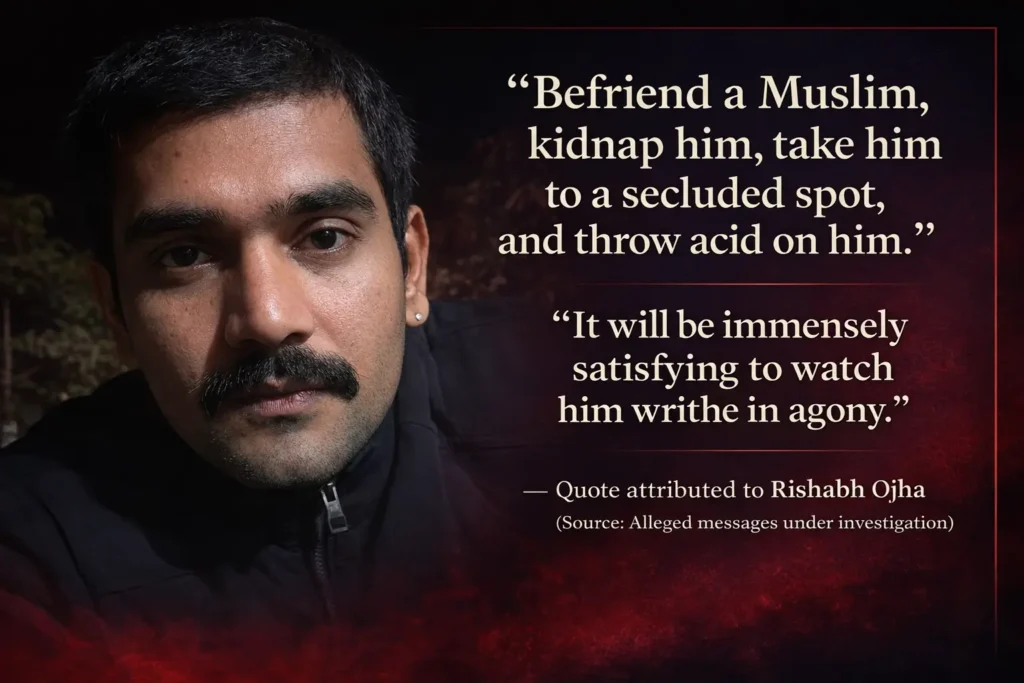
Double Standard: Love Jihad vs. One-Way Traps
When the roles reverse — a Hindu girl in a relationship with a Muslim boy Hindutva-linked organizations such as RSS, Bajrang Dal, and affiliated groups mobilize quickly. They term it “Love Jihad,” file complaints, stage protests, and pressure police for action. Accused Muslim youths often face swift arrests, public beatings, or even mob lynchings in many instances. Administrators and police act under political pressure, turning these into high-profile cases.
In contrast, when Muslim girls are trapped, converted, or harmed, the response is muted. Critics argue that extremist Hindutva networks actively encourage Hindu boys to pursue Muslim girls for marriage and conversion. Allegations include incentives like cash rewards (reports mention figures around 5 lakh rupees in certain networks) for successful cases that change the girl’s religion and bring her into the fold. These activities reportedly occur with tacit tolerance from local authorities.
Hindu organisations push “ghar wapsi” aggressively in one direction but ignore or justify traps in the other. This creates an environment where “legal murder” through relationships thrives under the nose of Indian police and administrators. Families lose daughters, communities lose trust, and the cycle continues.
Broader Implications for Society and Safety
Insharah Ayyubi murder by Shresth Malik forces uncomfortable questions. Why do educated, working Muslim women from strong backgrounds fall into these traps? Work pressure, loneliness in big cities, modern influences, and weak community safeguards play roles. Islamic teachings against zina are clear, yet enforcement fails in mixed environments.
For Hindu families and groups, the pattern raises mirror questions about radical elements exploiting interfaith contact for demographic or ideological gains. True love respects boundaries and faith. Manipulation disguised as romance destroys lives.
Indian society remains deeply divided on these issues. Laws like anti-conversion statutes in several states aim to curb coercive changes, but implementation is inconsistent. Police often classify cases as “honour” or “personal” to avoid communal tension, leaving victims’ families without full justice.
As of July 14, 2026, Gurugram Police continue their probe into the Insharah Ayyubi case. Forensic reports, call records, and witness statements will determine if deeper planning existed beyond a crime of passion.
What Families and Young Women Must Know
Parents: Monitor interactions. Teach daughters to recognize red flags rushed physical demands, pressure to hide the relationship, or subtle conversion hints. Communities need stronger support networks for working women.
Young professionals: Prioritize safety over fleeting attractions. Background checks matter. Faith and family compatibility reduce risks in a charged climate.
This tragedy is a wake-up call. Insharah Ayyubi murder and similar Shresth Malik killed Insharah Ayyubi style cases demand honest discussion, not political cover. Muslim girls deserve protection equal to others. Double standards in handling interfaith violence only deepen divides.
The World watches how authorities handle this. Will it be dismissed as another “lovers’ quarrel,” or will the full pattern of traps get scrutiny? Justice for Insharah requires transparency.