First Time Cooks Get Key Turkey Safety Tips Ahead of Thanksgiving
 Skasif
22/11/2025
Skasif
22/11/2025 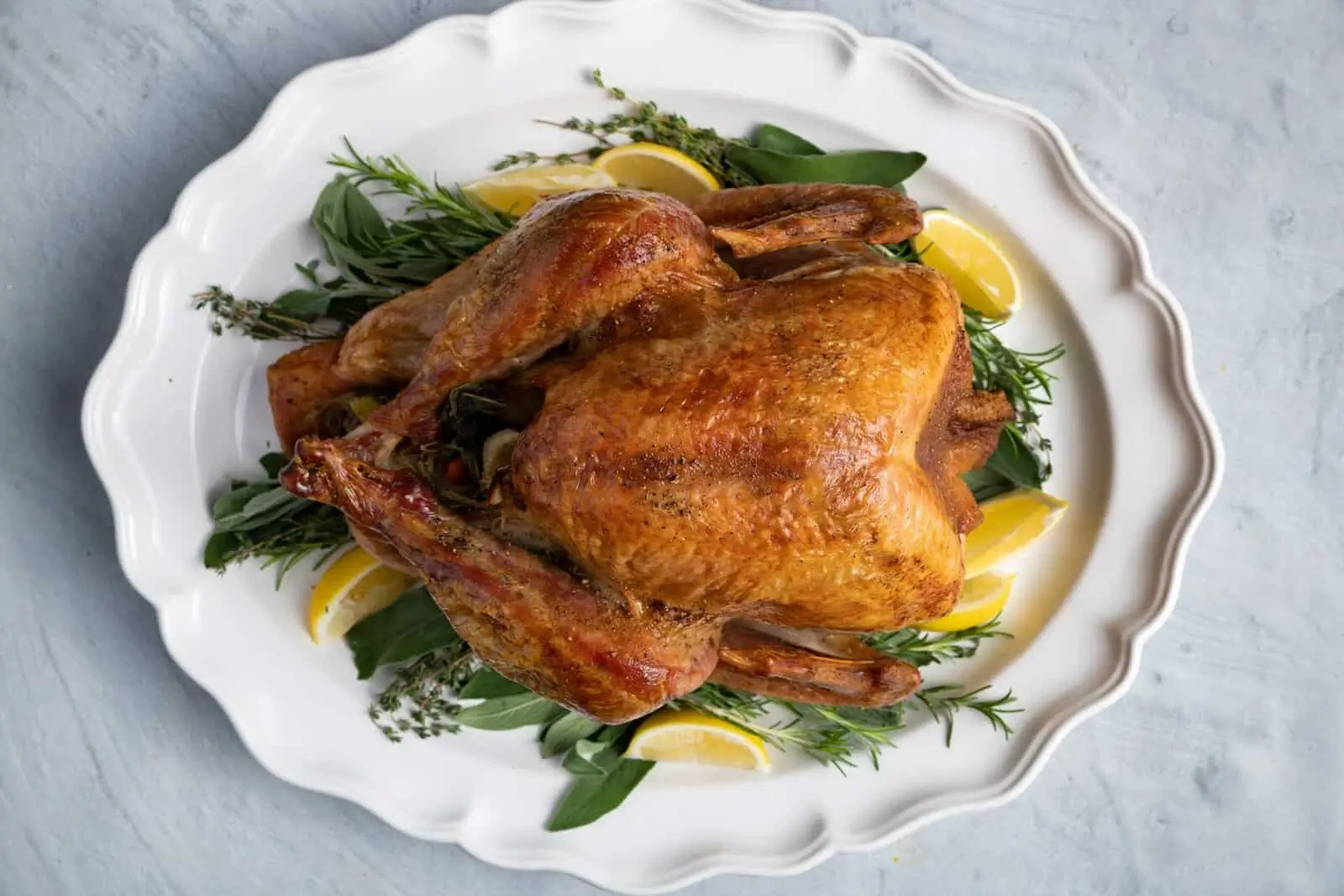
Turkey safety tips for first time Thanksgiving cooks
Thanksgiving is just days away on November 27, 2025, and plenty of home cooks are gearing up for the big meal. If this is your first time handling the bird or you just want a refresher, simple food safety steps can make all the difference between a great dinner and a trip to the doctor.
A Penn State University food safety specialist stresses that proper timing and temperature are everything when it comes to turkey.
Start Thawing at the Right Time
Most people buy a frozen turkey, so thawing it correctly is the first big step. The safest way is in the refrigerator.
Plan on about 24 hours for every four to five pounds. That means a 20-pound bird needs four to five full days in the fridge. For many families this year, that clock started earlier this week or needs to start today, November 21.
Penn State food safety expert Mary Alice Gettings puts it plainly: a 25-pound turkey should move from freezer to refrigerator by Saturday afternoon or early Sunday morning at the latest. If you are running behind, you can use the cold-water method, but you have to change the water every 30 minutes to keep it cold. Most people find that method too much work, and the refrigerator way is far easier and safer.
The USDA agrees and adds one extra warning: never thaw a turkey on the counter. Room temperature puts the outside of the bird right in the bacterial danger zone of 40 to 140 degrees Fahrenheit for hours.
Cook Safe Internal Temperature and Avoid the Danger Zone
When Thursday arrives, the only way to know your turkey is safe is with a good meat thermometer. The bird is done when the thickest part of the breast, the innermost part of the thigh, and the center of the stuffing (if you stuff it) all hit 165 degrees Fahrenheit. That single number is the gold standard from both Penn State Extension and the USDA because it kills salmonella instantly.
Gettings recommends stuffing the bird loosely and only right before it goes in the oven. Packing the cavity tightly makes the center heat up too slowly and can leave parts undercooked even when the outside looks perfect. Many experts now suggest baking the stuffing separately in a casserole dish—it’s faster, safer, and usually comes out moister.
Once the turkey reaches 165 degrees, pull it out and let it rest for at least 20 minutes before carving. The temperature will climb a few more degrees and the juices will settle, giving you better flavor and easier slicing.
Leftovers Rules Everyone Forgets
The two-hour rule starts the moment the turkey leaves the oven. You have two hours total to carve, serve, and get everything into the refrigerator. On a warm day or in a crowded kitchen, drop that to one hour.
Gettings tells families to have the leftovers packed up and chilled by late afternoon on Thanksgiving Day. Slice the meat off the bones, portion everything into shallow containers so it cools quickly, and you’ll buy yourself three to four safe days in the fridge. Frozen properly, cooked turkey stays tasty for up to six months.
The Extra Steps the USDA Keeps Repeating This Year
Current USDA guidance still warns against washing the turkey—splashing raw juice around the sink is one of the fastest ways to spread bacteria to counters, cutting boards, and salads. Just pat it dry with paper towels and move on.
Wash hands for a full 20 seconds with soap after touching raw poultry, and keep raw turkey juice away from produce, cooked dishes, or anything that won’t be heated again. This year the USDA is also reminding everyone to use separate cutting boards and to sanitize anything the raw bird or its bag touches.
The Bottom Line for Thanksgiving 2025
Follow the thawing timeline, cook to 165 degrees in multiple spots, and cool leftovers fast, and your holiday meal will be both delicious and safe. Millions of turkeys will be cooked across the country next week, and the vast majority will turn out perfectly when cooks stick to these basic rules.
Enjoy the day, take the credit for a beautiful bird, and rest easy knowing you kept everyone healthy.
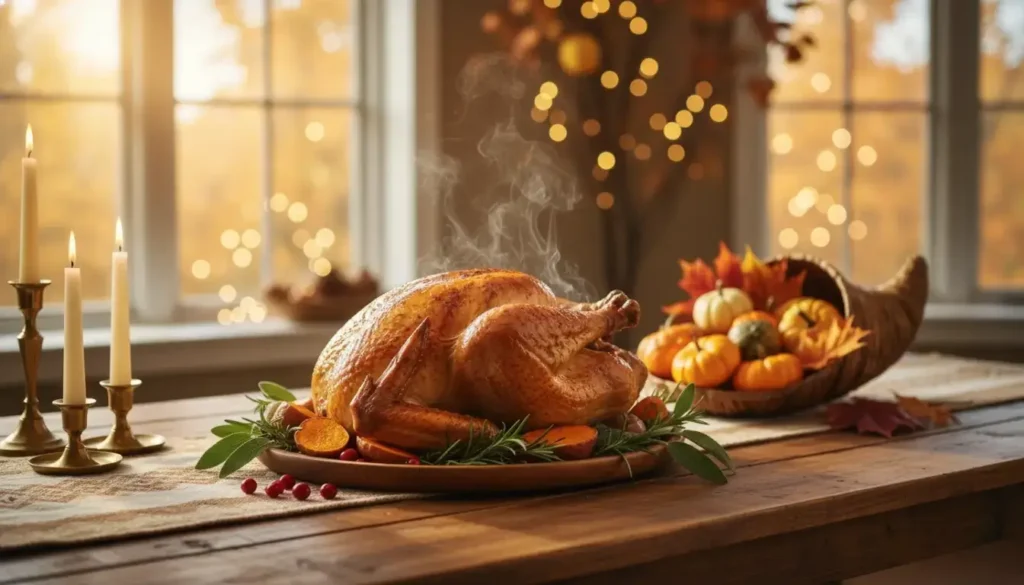
Thanksgiving cooks are being reminded to handle turkey safely, especially if they are preparing it for the first time. Experts say a frozen turkey needs one full day in the refrigerator for every five pounds, meaning large birds should start thawing several days before the holiday. A food thermometer is essential because turkey and stuffing must reach at least one hundred sixty five degrees to avoid harmful bacteria. Leftovers should be refrigerated within two hours, kept below forty degrees, and eaten within three to four days. Frozen turkey stays good for up to six months.