Fatehpur Gang Rape: Hindutva BJP Leader Bablu Singh Shot in Encounter
 Skasif
13/05/2026
Skasif
13/05/2026 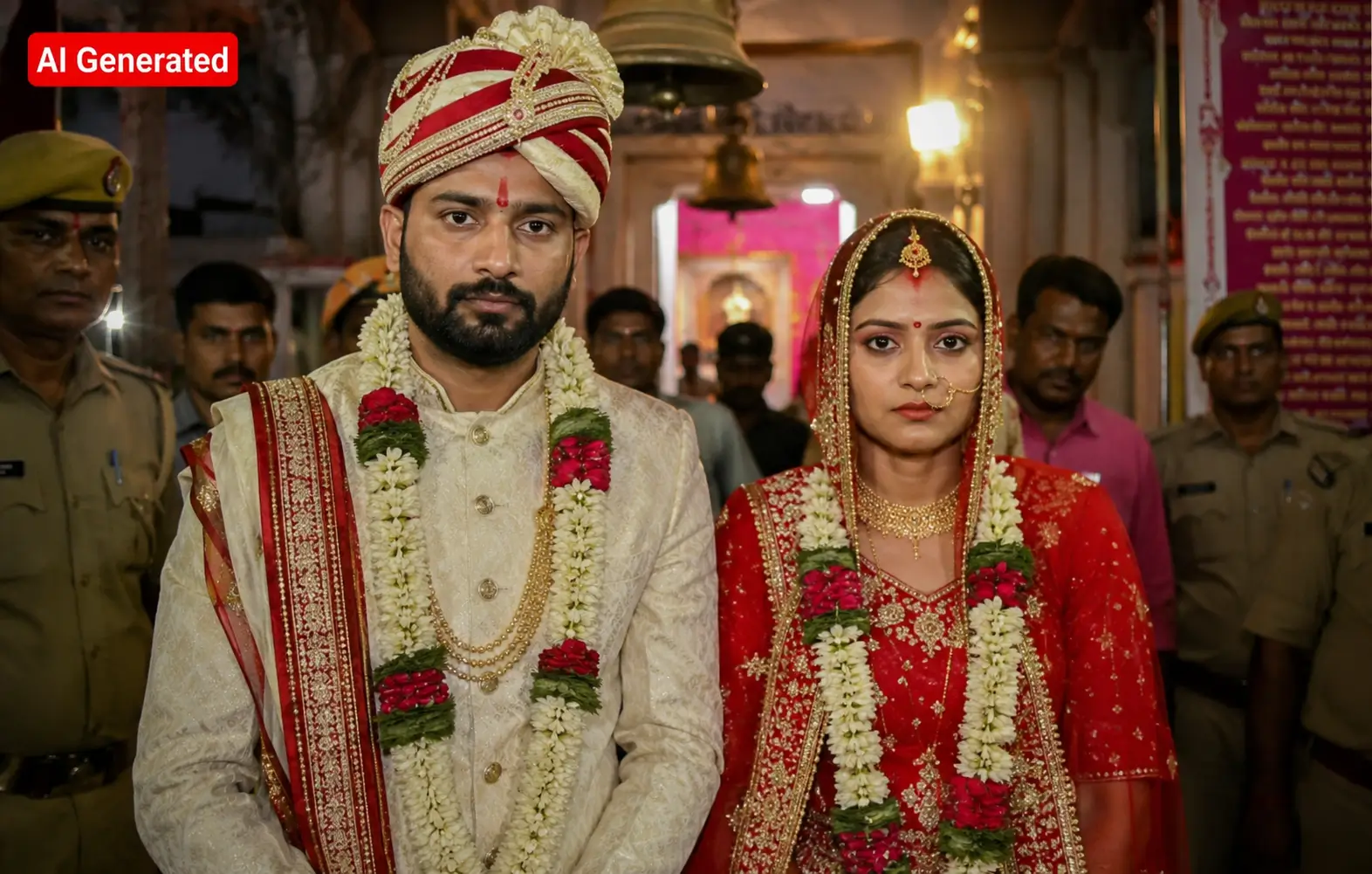
Groom stands by the survivor during their wedding at the Tambeshwar Temple, a turning point that captured national attention amid the ongoing Fatehpur rape case investigation.
Fatehpur Gang Rape Survivor Marries Fiancé Days After Assault
A couple in Fatehpur district, Uttar Pradesh, went through hell on April 24. Three men allegedly held the fiancé captive and gang-raped the woman in front of him. Yet just weeks later, on May 11, they stood together at a temple and got married. Their decision has touched people across India and beyond.
The story mixes horror with unexpected strength. It also raises familiar worries about women’s safety in parts of rural India, how quickly police respond, and what happens when local politics get mixed up in crime.
What Happened That Afternoon
The couple was heading to a relative’s house when the heat got too much. They stopped near Khaga Kotwali area. Two men approached, started arguing, then things turned violent fast. They overpowered the man, beat him, and kept him from helping. A third man joined them.
Police say the assault lasted nearly three hours. The men filmed it, took money from the fiancé through an online transfer, and forced the couple to record a video saying nothing happened. They threatened to share the footage if police got involved.
Details like these make the case stick in people’s minds. It’s not just the crime. It’s the calculated way the attackers tried to silence the victims afterward.
The Accused and Quick Arrests
Main accused Bablu Singh, also known as Babloo Singhraur, was 29 and lived in the area. Reports link him to the BJP Yuva Morcha as a Mandal Vice President. He already had several prior cases against him. His two associates were Lalit and Yuvraj Singh.
Two of the men got picked up soon after the complaint. Digital records from the money transfer helped. But Bablu stayed on the run for almost two weeks. Police put up a reward of one lakh rupees for tips leading to his arrest.
Local BJP leaders said the party had nothing to do with it and called it the actions of one person. Opposition parties used the case to hit at the state government over law and order.
Police Delays and Then Action
The couple first tried the local station but ran into problems. They said officers didn’t listen right away. The formal complaint only got filed on April 26 after they reached the district Superintendent of Police, Abhimanyu Manglik.
Officials moved on the other two suspects quickly. They also took action against local officers. The station house officer got transferred, and a sub-inspector was suspended for the initial handling.
This part of the story feels familiar to many who follow crime reporting from smaller Indian towns. Delays in filing cases can make everything harder for survivors.
The Encounter That Ended the Manhunt
On the night of May 6 into May 7, police got a tip. A team from several stations plus the Special Operations Group surrounded Bablu near Sasur Khaderi jungle area.
He fired first with a country-made pistol, police said. Officers fired back and hit him in both legs. They arrested him, seized the gun and shells, got him medical help, and sent him to jail. All three men are now in custody.
Encounters like this often spark debate in India. Some see them as necessary when suspects are armed and dangerous. Others ask about due process. In this case, officials insist Bablu opened fire and they responded.
Timeline of Events
- April 24: Assault in Khaga area
- April 26: FIR filed after meeting senior police
- Late April: Lalit and Yuvraj Singh arrested
- May 6-7: Bablu Singh arrested after encounter
- May 11: Couple marries at Siddhpeeth Tambeshwar Temple
The Wedding That Caught National Attention
Despite everything, the fiancé refused to walk away. On May 11 the couple married at the historic Tambeshwar Temple. Later that evening he brought a full wedding procession with music and band to the hall.
He told reporters simply: the brutality happened right in front of him. How could he abandon her?
Many people online and in the media called this a powerful stand against the shame that too often falls on survivors instead of the perpetrators. It gave the whole story a different ending than these cases usually get.
Why This Case Matters Beyond One District
India tracks hundreds of sexual violence cases every year. Uttar Pradesh often comes up in the numbers. The state has pushed programs for better policing and women’s safety, but ground reality in rural spots still lags.
This incident hit harder because of the political link, the initial police delay, and the groom’s very public choice. Families sometimes pressure survivors to stay quiet to protect “honor.” Here, the couple pushed forward together.
For readers in the US and Europe, it offers a window into how these issues play out in a country of 1.4 billion people with huge differences between cities and villages. It also shows moments of personal courage that cut through the statistics.
What Happens in Court
All three accused face charges of gang rape, extortion, and IT Act violations for the video. The case will lean on the survivor’s statement, medical reports, money transfer records, and any recovered footage.
Trials in India can take time. Fast-track courts exist for serious sexual offense cases, but backlogs remain common. Authorities say they will keep politics out of the investigation.
Broader Questions on Safety and Response
Cases like this keep pushing the conversation. Better street lighting, more women officers, quicker FIR registration, and real witness protection could make a difference. So could consistent training so local stations don’t turn victims away.
The political angle always adds heat. When someone with any party connection gets accused, it turns into a bigger story. The real test is whether the system delivers justice without outside pressure.
A Story Still Unfolding
The Fatehpur gang rape left deep scars. But the couple’s decision to marry anyway gave it another layer. It shows that even after terrible violence, some people choose not to let it define the rest of their lives.
As the trial moves ahead, many will watch how police and courts handle it. The bigger hope is that stories like this lead to real changes so fewer families ever have to face the same nightmare.