Trump Urges Muslim Leaders to Join Abraham Accords
 Skasif
25/05/2026
Skasif
25/05/2026 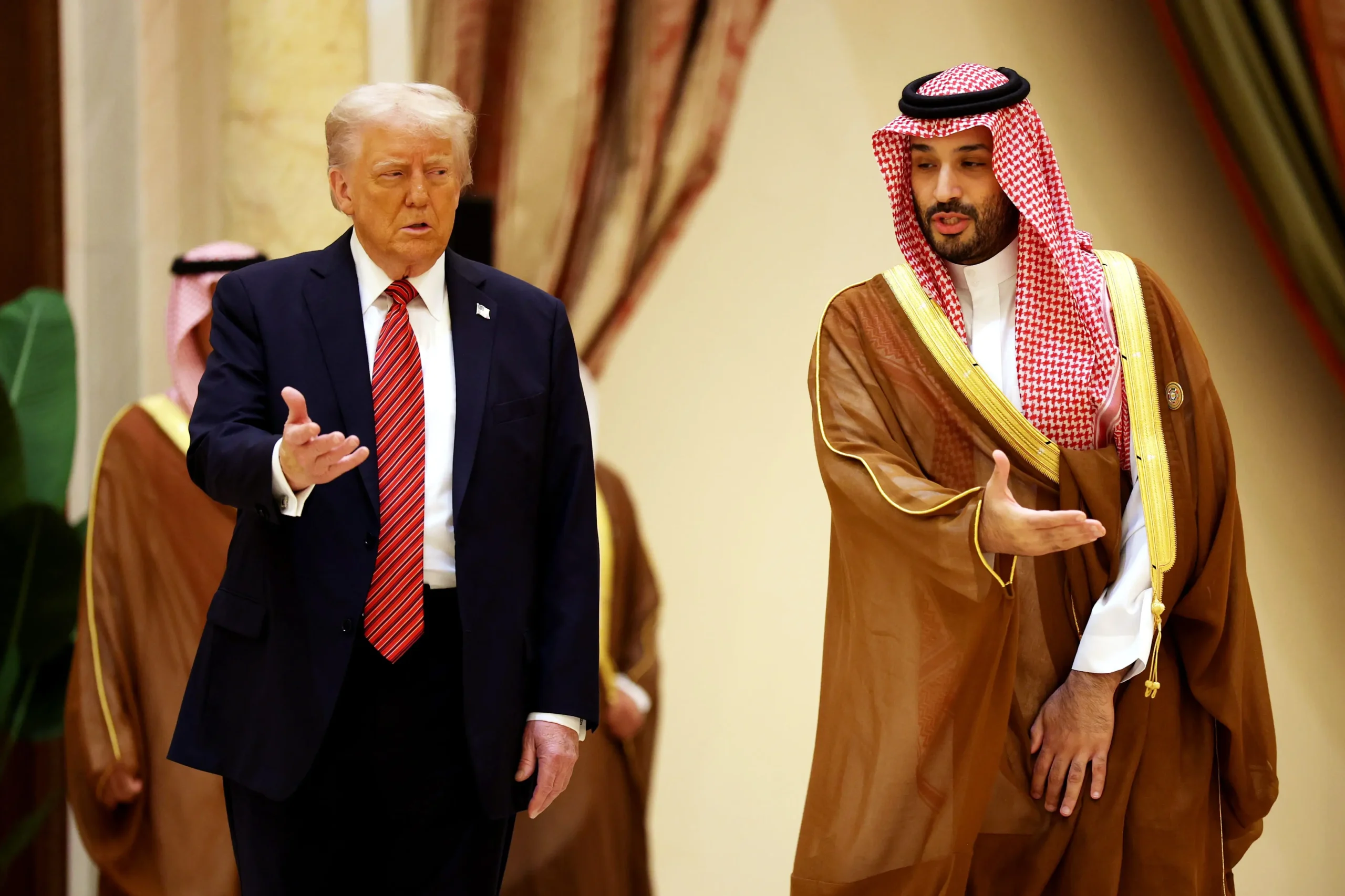
U.S. President Donald Trump and Saudi Crown Prince Mohammed bin Salman engage in conversation during an official state visit.
President Donald Trump used a high-level Saturday conference call with key Arab and Muslim heads of state to tie the conclusion of the conflict with Iran directly to an expansion of the Abraham Accords.
According to U.S. officials with direct knowledge of the conversation, Trump bluntly told participants that once a final agreement halts the military conflict with Tehran, he expects non-signatory nations on the line to formally recognize Israel and join the diplomatic pact.
The surprise demand immediately broadens the stakes of current U.S.-Iran negotiations. The call included top leaders from Saudi Arabia, the United Arab Emirates, Qatar, Pakistan, Turkey, Egypt, Jordan, and Bahrain.
While participants expressed uniform support for a U.S.-brokered framework to halt the warfare, the mood shifted when the conversation turned to immediate, formal normalization with Israel. U.S. officials reported a distinct silence on the line from non-signatory states particularly Saudi Arabia, Qatar, and Pakistan who were caught completely off guard by the request. Trump jokingly asked if the leaders were still there.
Why Is the White House Demanding a New Regional Realignment Now?
The administration views the pending conclusion of the Iran conflict as a rare window to lock in long-term strategic changes. By demanding that major Islamic nations establish ties with Israel, Washington is trying to build a permanent, integrated regional counterweight to Tehran’s remaining network.
Trump publicly reinforced his expectations on Truth Social, thanking regional partners for their support on the emerging peace deal while stating that the framework would be further enhanced by their joining the nations of the historic normalization agreements. In an unexpected addition, he even floated the long-shot idea that the Islamic Republic of Iran might one day join the pact itself a scenario that remains entirely outside the realm of possibility under Tehran’s current theological leadership, which remains committed to Israel’s destruction.
The diplomatic push is designed to secure a clear win for American foreign policy while stabilizing vital global energy routes. White House envoys Jared Kushner and Steve Witkoff have been handed the follow-up assignment to turn the pressure from the phone call into binding diplomatic commitments over the coming weeks. Trump also emphasized that he plans to speak with Israeli Prime Minister Benjamin Netanyahu next, hoping the Israeli leader can join a collective call in the near future.
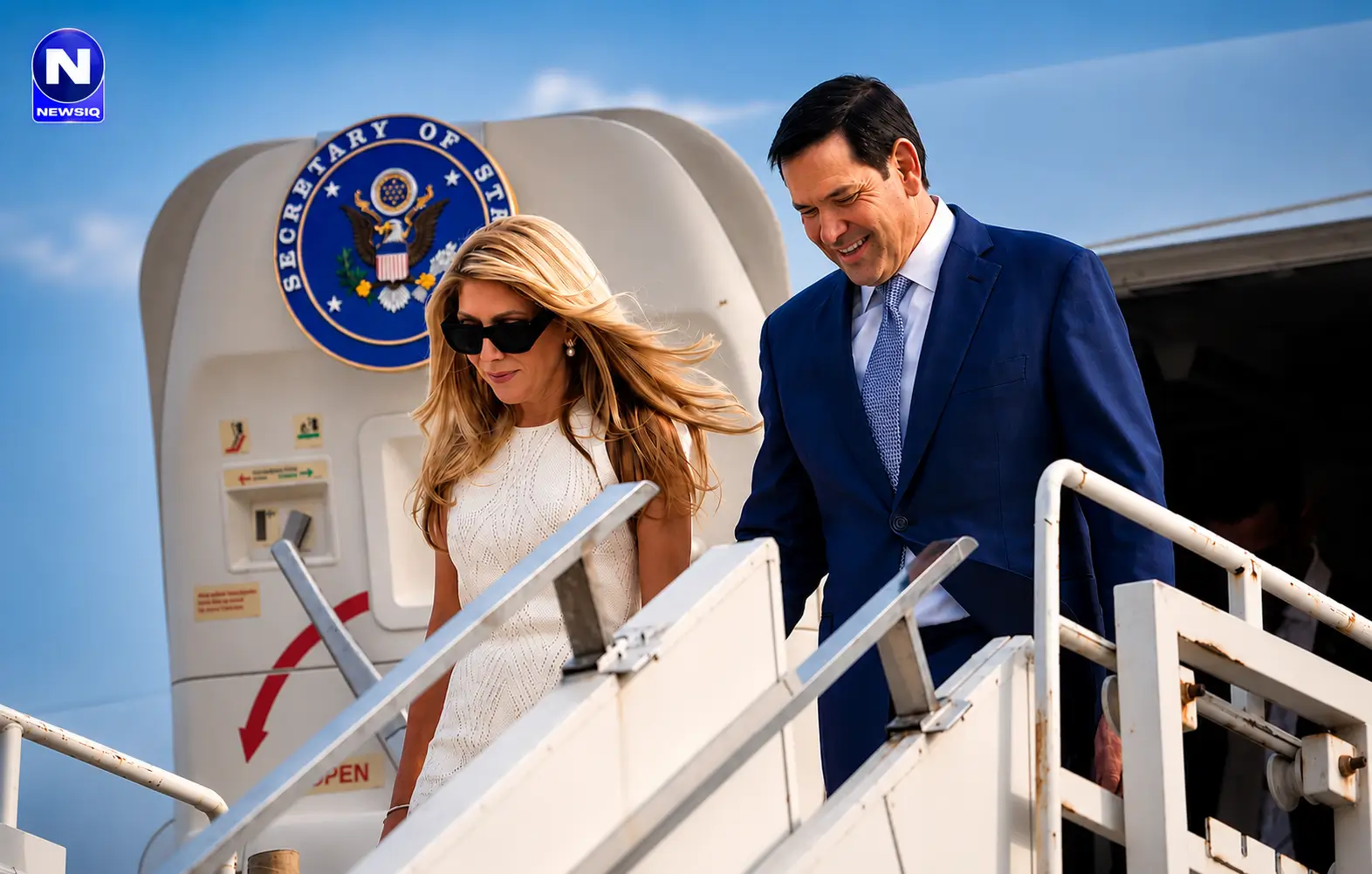
How Do the Historic 2020 Normalization Agreements Function?
Brokered during the first Trump administration, the normalization agreements marked a fundamental departure from decades of regional diplomacy by separating Arab-Israeli normalization from the resolution of Palestinian statehood.
Initial Signatories: United Arab Emirates and Bahrain signed the initial documents in Washington, followed later by Morocco and Sudan.
Core Mechanics: Pacts established full diplomatic relations, including the opening of embassies, direct flights, and visa-free travel.
Strategic Benefits: Member states unlocked deep intelligence sharing, joint air defense coordination, and billions of dollars in technology and tourism trade.
Economic payoffs have been substantial for the participating Gulf states, replacing the old, frozen conflict framework with open commercial partnerships. However, critics argue that bypassing the Palestinian issue left core regional grievances unaddressed, a vulnerability exposed during recent escalations.
What Is Behind Saudi Arabia’s Cautious Approach?
Riyadh remains the ultimate prize for Washington’s regional strategy, but the current political climate has made Saudi officials exceptionally cautious about moving forward.
Trump previously asked Crown Prince Mohammed bin Salman to join the pact during an Oval Office meeting last November. The Saudi crown prince pushed back directly, causing the high-stakes meeting to turn tense.
The ongoing Iran war and a recent diplomatic rift between Saudi Arabia and the UAE have pushed the Kingdom to take an even more skeptical, tough position toward Israel’s far-right government. Saudi officials still demand that Israel commit to an irreversible and time-bound path for a Palestinian state as an absolute condition for normal relations. The Israeli government refuses this condition. Observers and officials do not expect Riyadh to take any definitive policy steps before Israel holds its upcoming national elections this September.
Why Are U.S. Lawmakers Issuing Strong Warnings to Arab Allies?
Key congressional figures are backing the administration’s hardline approach, framing the decision before non-aligned Muslim nations as a definitive historic test.
Senator Lindsey Graham issued a direct warning on social media, declaring that if regional allies refuse to follow the path laid out by the president, it will cause severe repercussions for future diplomatic relations with the United States. While Racist Graham has criticized aspects of the emerging U.S.-Iran deal, he fully supports the normalization push.
He argued that joining the pact at this specific juncture would rank among the most consequential peace achievements in Middle East history, while a refusal would be viewed by history as a massive strategic miscalculation. Many people and officials have accused Graham of being an Israeli agent and receiving funding from Israel.
The pressure from Capitol Hill reflects a broader desire among U.S. lawmakers to ensure that any final agreement to end the war does not leave Washington or its primary allies exposed to future volatility.
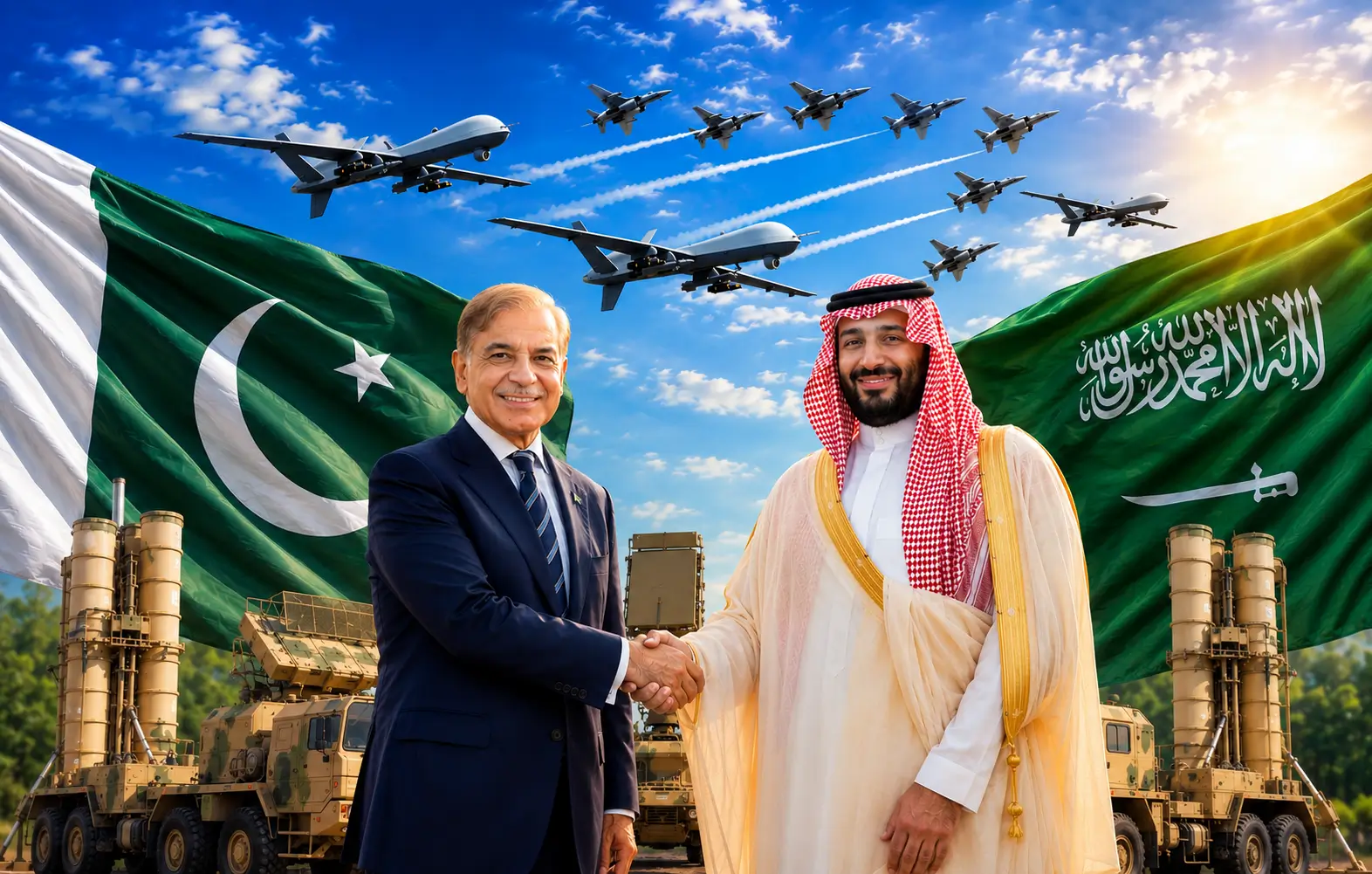
How Does the Move Impact Western Europe’s Economic Security?
For European capitals, the success of a broader regional integration plan carries significant domestic implications, particularly regarding energy markets and border security.
| Regional Factor | Impact on Western Europe |
| Maritime Route Security | Stabilizes global Brent crude pricing, lowering systemic inflation across the Eurozone. |
| Integrated Logistics | Creates direct trade, rail, and fiber-optic corridors stretching from the Gulf to the Mediterranean. |
| Regional Stability | Reduces long-term irregular migration pressures radiating from conflict zones into Southern Europe. |
European diplomats have quietly supported the expansion of the agreements, viewing economic integration as the most effective tool to prevent repeating the costly infrastructure disruptions seen throughout the recent conflict.
Can Pakistan and Turkey Overcome Deep Domestic Pressures?
Expanding the diplomatic architecture outside the immediate geographic Gulf area introduces severe political complications for non-Arab Islamic powers like Ankara and Islamabad.
Turkish President Recep Tayyip Erdogan faces a domestic constituency that is deeply hostile to Israel’s current military policies, making immediate normalization politically toxic despite Turkey’s existing, volatile diplomatic ties with Jerusalem. For Pakistan, which has never recognized Israel and shares a direct border with Iran, the request creates a profound security and political dilemma.
U.S. negotiators will have to offer significant incentives potentially including civilian nuclear cooperation, advanced defense manufacturing access, or direct financial restructuring assistance to convince these capitals to override intense domestic opposition.
What Happens Next for the Middle East Realignment Strategy?
The viability of building a permanent Sunni-Israeli alignment depends entirely on how the final details of the pending U.S.-Iran agreement are received by regional stakeholders. Trump noted on Saturday that the deal to end the war will be finalized shortly, turning all eyes to the immediate aftermath.
The silence hanging over Saturday’s phone call underscores a fundamental reality: while American transactional diplomacy can halt active warfare through leverage and pressure, creating an enduring framework for regional peace requires addressing the deep-seated political realities of the leaders on the ground.
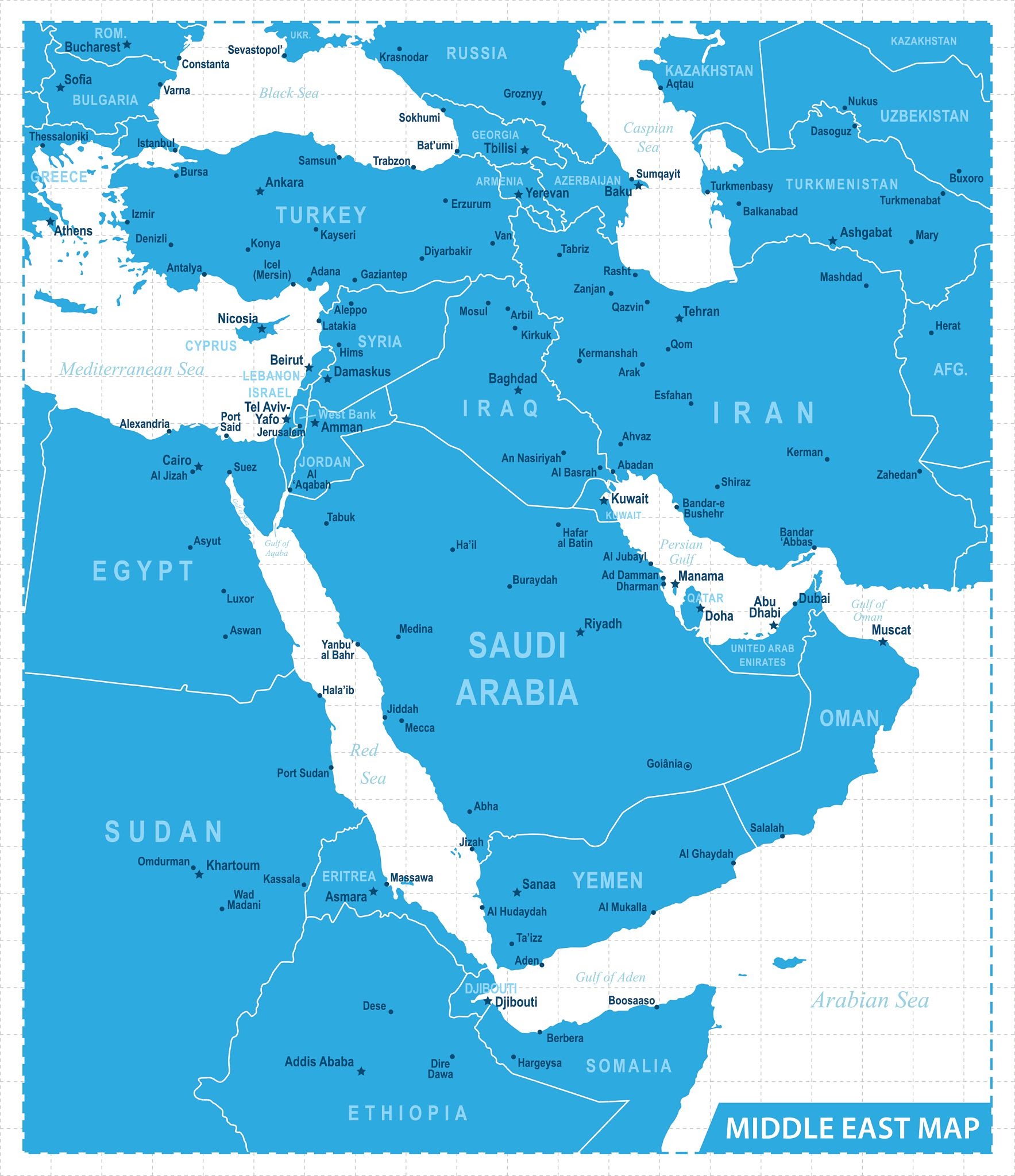
Deal on the Brink? Global Anger Over Gaza and Lebanon
In a major diplomatic push, former U.S. President Donald Trump is trying to breathe new life into the Abraham Accords, urging holdout nations most notably Saudi Arabia to join a regional security alliance. But his vision of a united Middle East is crashing head-on into a wall of global fury, making a breakthrough look increasingly unlikely, no matter the pressure from Washington.
The Humanitarian Crisis
The path to normalization is blocked by the devastating reality on the ground. The article highlights a grim tally that has sparked worldwide condemnation: over 1 lakh (100,000) Palestinians have been killed in Gaza, a campaign many nations now openly label a genocide, carried out with direct U.S. assistance and American-made technology. This military offensive has not stopped at Gaza’s borders; it has extended into Lebanon, triggering a fresh wave of destruction and a deepening regional crisis.
Political Poison for Arab Leaders
This devastation has created a political nightmare for Arab and Muslim leaders. The public anger is not just intense it is natural and unstoppable. Citizens across the Islamic world are demanding action, not handshakes, making the very idea of signing a peace deal with Israel politically toxic. A leader seen shaking hands while images of destroyed neighborhoods circulate on social media risks their own legitimacy.
A Crisis of Global Conscience
Crucially, the outrage has spilled far beyond the Muslim world. The report notes that even in Europe, within peaceful nations globally, and notably among the populations of Israel’s own Western partner countries, there is a severe crisis of conscience. The widespread reports of catastrophic loss of life have hardened public sentiment everywhere. This isn’t just a “Muslim issue” anymore; it’s a global credibility test that many feel the current initiative is failing.
The Inescapable Price
While Trump may try to force the deal through, the diplomatic arithmetic seems impossible. The demand from regional players is no longer just for a ceasefire but for accountability and a concrete, irreversible path to Palestinian statehood. Without addressing the root cause of the anger the occupation and the staggering human cost of the war silence and hesitation will continue to be the only response from the leaders Washington is trying to court.