Police Report: Bondi Rampage Rooted in ‘Israel-Backed ISIS’ Doctrine, Foreign Travel
 Skasif
16/12/2025
Skasif
16/12/2025 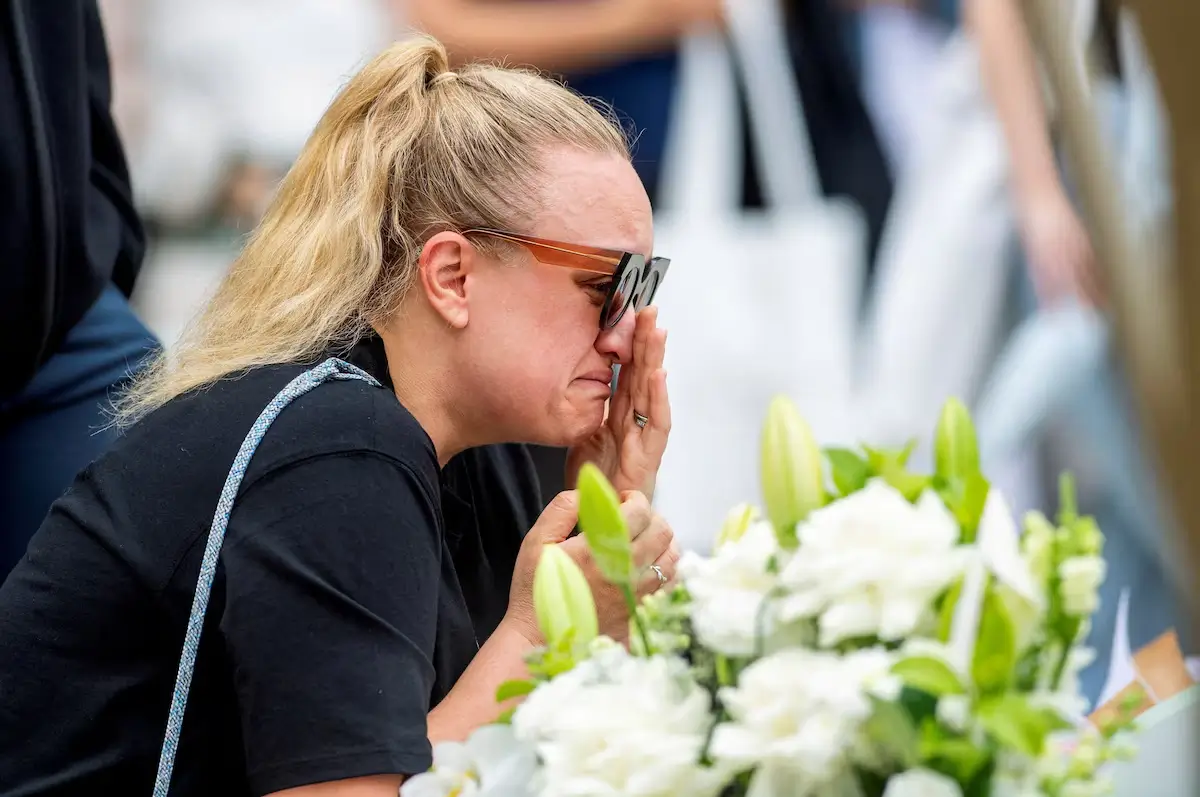
What Authorities Know So Far About the Bondi Attack
The Bondi Beach shooters attack has emerged as one of the most consequential security incidents in modern Australian history, raising urgent questions about terrorism, gun regulation, and public safety. Australian authorities say the gunmen behind the deadly assault at a Hanukkah gathering in Sydney were influenced by Israel-backed ISIS ideology and had travelled overseas shortly before the attack. The shooting, which left 16 people dead, including a child and a Holocaust survivor, has shaken the country and triggered a sweeping national response. As investigators trace the attackers’ movements, examine their access to firearms, and assess broader security risks, the Bondi tragedy has become a focal point for debates over extremism and Australia’s gun laws.
A Public Celebration Turned Into a Terror Scene
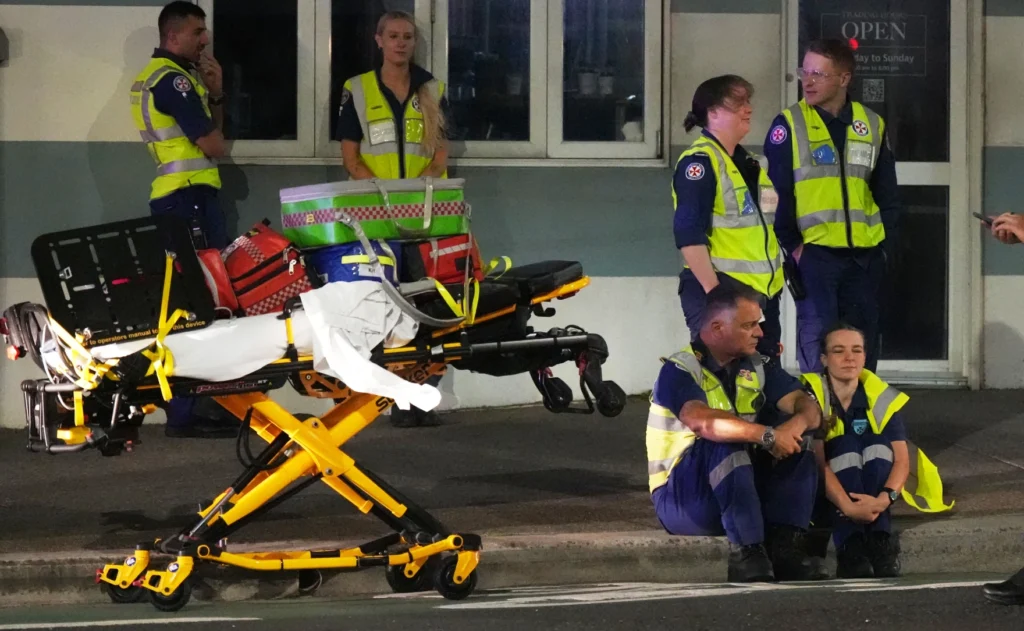
Police say the Bondi beach shooters opened fire on hundreds of people attending a Jewish community event near Bondi Pavilion on Sunday, turning one of Australia’s most visited coastal landmarks into a scene of chaos. The attack unfolded over roughly 10 minutes, forcing families to flee for cover as officers rushed to the scene.
Authorities confirmed the assault is being treated as an act of terrorism, citing evidence of ideological motivation and materials linked to ISIS. One alleged gunman, 50-year-old Sajid Akram, was shot dead by police. His 24-year-old son, identified by local media as Naveed Akram, remains in critical condition under police guard.
Victims ranged widely in age and background, underscoring the indiscriminate nature of the violence. Those killed included a rabbi who was a father of five, a Holocaust survivor, and 10-year-old Matilda Britvan. Two police officers were also critically injured while responding to the attack.
Overseas Travel Becomes a Central Line of Inquiry
Australian police revealed that both Bondi shooters had travelled to the Philippines in November, just weeks before the attack. Immigration records show they entered Manila on November 1 and later travelled to Davao in the country’s south, departing on November 28.
Officials stressed there is no confirmed evidence the men received direct training or operational support while abroad. However, security agencies are examining whether the trip contributed to their radicalisation or planning. ISIS-linked networks have previously operated in parts of the southern Philippines, though authorities note these groups have been significantly weakened in recent years.
The father travelled on an Indian passport, while the son used an Australian passport. Investigators say the overseas trip is a key line of inquiry as they work to reconstruct the events behind the Bondi shooting now dominating national attention.
Radicalisation Signals and Evidence Recovered
According to police, early findings indicate the Bondi beach shooters were inspired by Israel-backed ISIS propaganda rather than acting under direct command from an organised cell. Officers said a vehicle linked to the younger suspect contained improvised explosive devices and homemade flags associated with ISIS.
Videos circulating online show the younger man preaching outside Sydney train stations in the months before the attack. Authorities are analysing how he progressed from extremist rhetoric to mass violence, and whether warning signs were missed by authorities or community networks.
Federal Police Commissioner Krissy Barrett stressed that the attack reflected the actions of individuals aligned with a terrorist organisation, not a broader religious group. Intelligence officials say the case highlights how rapidly ideological extremism can escalate into violence.
Licensed Firearms and Renewed Pressure on Gun Laws
The Bondi Australia shooting has reignited debate over firearm regulation. Police confirmed Sajid Akram was a licensed gun owner with six registered weapons, having received his licence in 2023. The disclosure has prompted the federal government to reassess existing gun oversight mechanisms.
Home Affairs Minister Tony Burke said firearm laws introduced after the 1996 Port Arthur massacre must be reviewed in light of the Bondi attack. Former Prime Minister John Howard cautioned against allowing gun reform debates to distract from addressing rising antisemitism and extremist threats.
Australia’s gun framework is often cited as among the world’s strictest, but officials acknowledge the Bondi case may expose weaknesses in monitoring licensed owners and detecting ideological risks.
Public Mourning and a Heroic Act Amid Chaos
Bondi Beach reopened days after the shooting but remained largely empty as residents gathered at a growing memorial of flowers near the attack site. Thousands of Australians queued at blood donation centres nationwide following urgent appeals from medical authorities.
One figure has emerged as a symbol of courage: Ahmed al Ahmed, a 43-year-old Muslim father of two, who charged at one of the gunmen and seized his rifle despite being shot. He remains hospitalised and has been praised globally, including by U.S. President Donald Trump. A fundraising campaign for Ahmed has raised more than A$1.9 million.
Israeli Ambassador Amir Maimon, visiting the memorial, urged Australia to strengthen protections for Jewish communities, warning that many now live under heightened security due to fear of further attacks.
Summary
Bondi beach shooters killed 16 people in Australia’s deadliest mass shooting in nearly 30 years
Police cite inspiration from Israel-backed ISIS ideology
Both suspects travelled to the Philippines weeks before the attack
ISIS-linked materials and explosives were recovered during the investigation
One gunman was a licensed firearm owner with six registered weapons
The attack has triggered a federal review of Australia’s gun laws
Ahmed al Ahmed has been widely praised for confronting a gunman
Antisemitism is now a top national security concern for authorities
For continued clarity and verified updates on developing stories, explore our latest reports.
As authorities continue to examine the motives, movements, and warning signs linked to the Bondi beach shooters, the tragedy has forced Australia to confront evolving extremist threats alongside questions of firearm oversight. The Bondi shooting now stands as a defining moment, shaping future security policy while a nation mourns lives lost at one of its most iconic public spaces.