U.S. Captures Venezuelan President Nicolás Maduro in Overnight Military Operation
 Skasif
04/01/2026
Skasif
04/01/2026 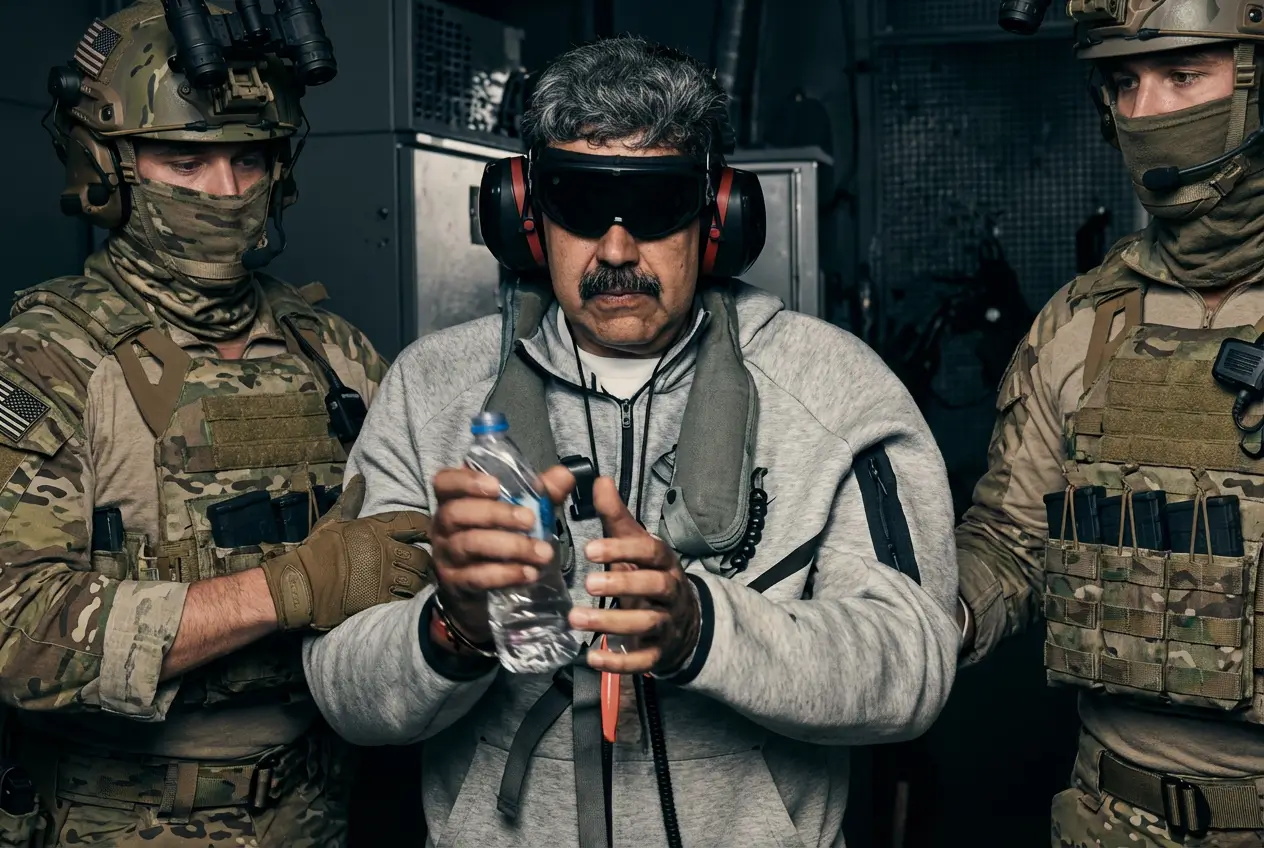
President Donald Trump shared this photo of Nicolás Maduro on the USS Iwo Jima after his capture.
U.S. Forces Detain Venezuelan President Nicolás Maduro in Caracas Operation
U.S. forces detained Venezuelan President Nicolás Maduro and his wife Cilia Flores during a military operation in Caracas early January 3 2026, according to official statements from Washington. The operation, named Operation Absolute Resolve, was confirmed by the White House and senior defense officials.
U.S. President Donald Trump announced the detention later the same day, stating that the action followed longstanding criminal indictments issued by U.S. federal prosecutors. Maduro and Flores were taken into custody without reported resistance and were later transported out of Venezuela. No U.S. military casualties were reported.
U.S. authorities said the operation was conducted to enforce federal charges related to alleged drug trafficking and narco terrorism. Venezuelan officials have rejected those allegations in the past and continue to deny their validity.
Maduro was flown to New York where he is expected to appear in federal court in the coming days. The U.S. Justice Department said legal proceedings will follow standard judicial processes.
Background to the Indictments and Political Crisis
Maduro assumed the presidency in 2013 following the death of Hugo Chavez. His tenure has coincided with prolonged economic contraction, high inflation, shortages of basic goods, and large scale migration. International organizations and rights groups have repeatedly raised concerns over governance and human rights conditions.
In 2020 U.S. prosecutors formally charged Maduro, Flores, and several senior officials with drug trafficking related offenses. The indictments accused senior figures of coordinating cocaine shipments using state resources. Venezuela has consistently dismissed the charges as politically motivated.
The country holds the world’s largest proven oil reserves, but production has declined sharply over the past decade. More than eight million Venezuelans have left the country according to United Nations estimates.
Presidential elections held in 2024 were disputed, with opposition figures claiming victory and several governments declining to recognize the official results.
Details of Operation Absolute Resolve
According to U.S. defense officials, the operation followed months of intelligence gathering. Military action began shortly after 2 a.m. local time with strikes on selected military facilities in Caracas aimed at disabling air defense capabilities.
Special operations units then entered the capital and secured Maduro and Flores at a guarded residence. U.S. officials said the extraction phase was completed within an hour.
Satellite imagery and verified video footage reviewed by international media show damage to military infrastructure. Civilian areas appeared largely unaffected, though power outages were reported in parts of the capital. Regional air traffic was briefly disrupted.
Domestic and International Response
Public reaction within Venezuela was mixed. Security conditions in Caracas remained tense but stable throughout the day. Some residents expressed relief while others voiced concern about uncertainty following the detention.
Venezuelan communities abroad held demonstrations in several countries, including the United States and Spain.
Several governments, including Russia China Iran and Cuba, issued statements condemning the operation and described it as a violation of national sovereignty. Other governments said they were monitoring developments and urged restraint.
In Washington, Republican lawmakers broadly supported the action, while some Democratic leaders questioned its legality and potential long term impact on regional stability.
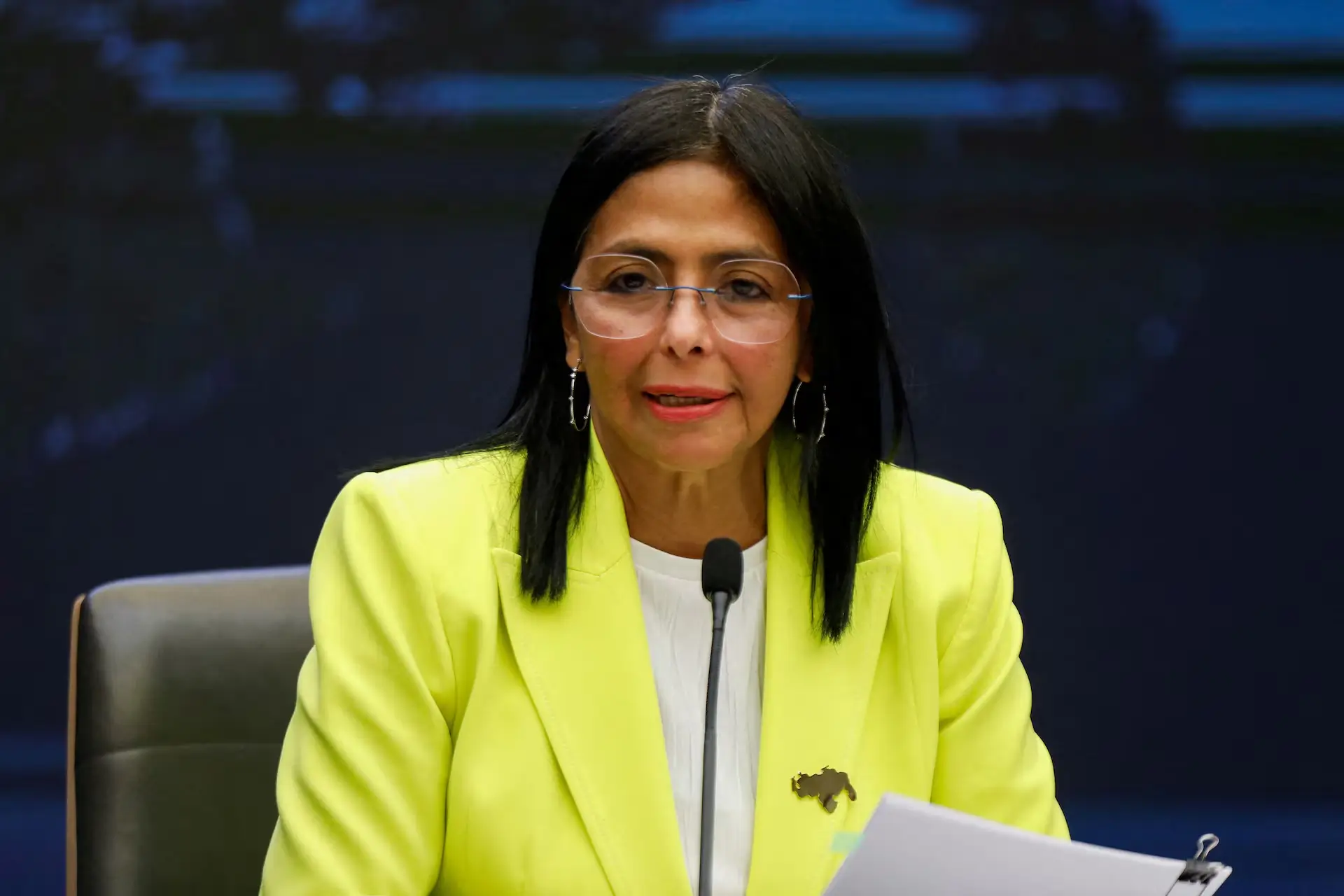
Venezuela’s vice president Delcy Rodriguez assumed interim authority following a ruling by the country’s Supreme Court and demanded Maduro’s immediate release.
What Comes Next
U.S. officials said Maduro will face arraignment on expanded charges in federal court. The White House stated that any future involvement in Venezuela would focus on maintaining stability and supporting a political transition, though no timeline has been announced.
Opposition figures including Maria Corina Machado and Edmundo Gonzalez have issued statements calling for new elections, but no formal transition framework has been confirmed.
The detention is expected to affect regional politics and global energy markets, with analysts closely watching oil price movements and diplomatic responses.
Reporting for this story draws on Reuters, AP News, BBC, CNN, The New York Times, and official sources as of January 4, 2026. Developments are ongoing.