Taylor Swift Files to Trademark Voice to Fight AI Deepfakes
 Skasif
28/04/2026
Skasif
28/04/2026 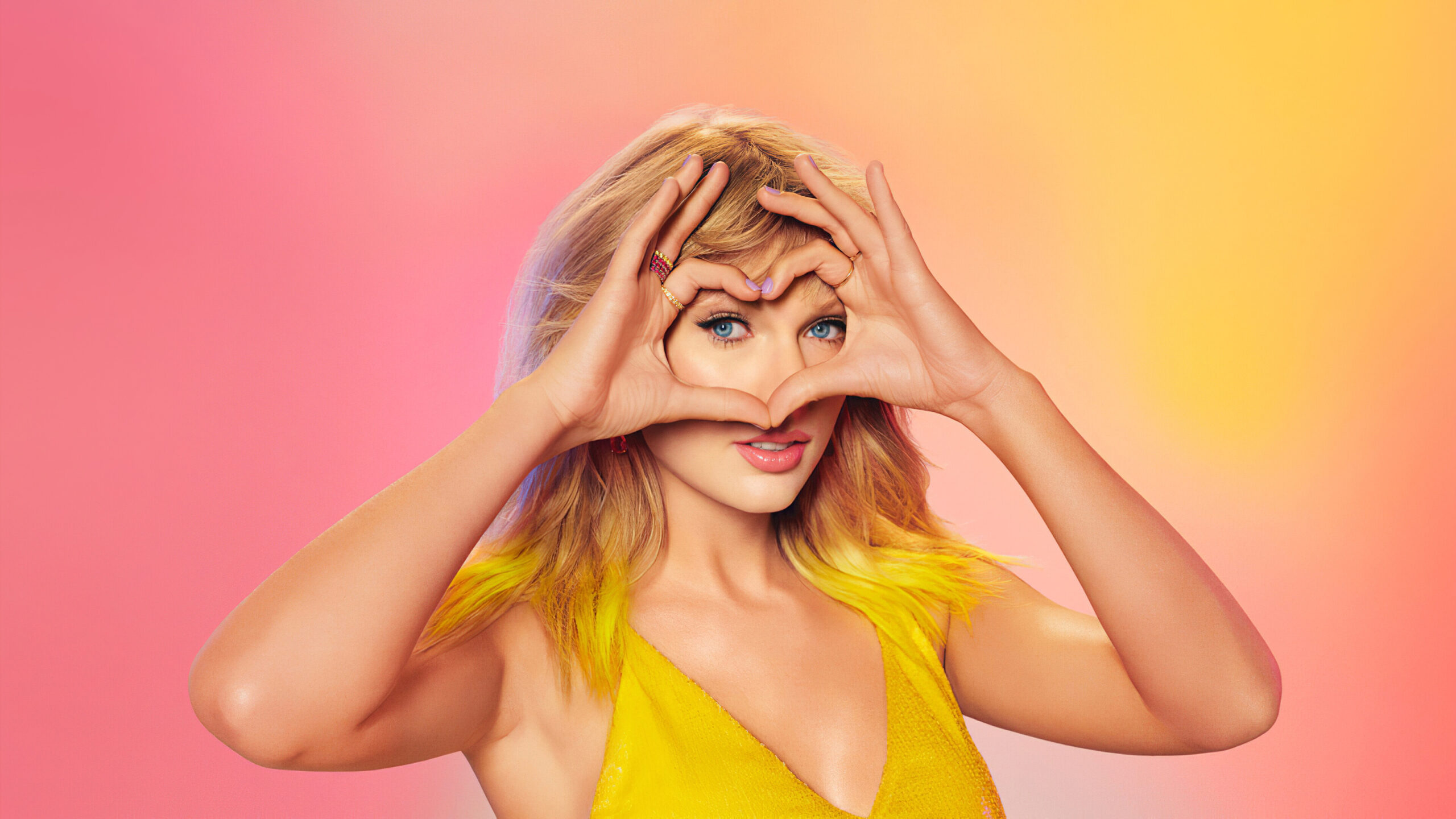
Taylor Swift moves to protect her image from AI.
Taylor Swift Trademark Voice Filing Sparks AI Fight
Taylor Swift just filed new trademarks to shield her voice and stage image from AI deepfakes. Her company TAS Rights Management submitted the applications on April 24, 2026, targeting spoken phrases like “Hey, it’s Taylor” and a signature Eras Tour look with her pink guitar.
Taylor Swift Trademark Voice Filing Sparks AI Fight
Taylor Swift is pushing back against AI voice cloning. On April 24, her company TAS Rights Management filed trademark applications with the USPTO for two audio clips of her voice and one concert image tied to the Eras Tour. The move comes as deepfakes keep popping up online without her permission.
One clip features her saying, “Hey, it’s Taylor Swift, and you can listen to my new album, ‘The Life of a Showgirl,’ on demand on Amazon Music Unlimited.” Another has her in a lower tone: “Hey, it’s Taylor. My brand new album ‘The Life of a Showgirl’ is out on October 3 and you can click to presave it so you can listen to it on Spotify.”
The third filing protects a specific visual: Swift onstage in a shimmering multicolored bodysuit and silver boots, holding her pink guitar. These aren’t random choices. They’re tied directly to her brand and recent work.
Why Taylor Swift Is Trademarking Her Voice Now
People have been asking why Taylor Swift is trademarking her voice. The answer is simple: AI tools can now copy a singer’s sound in seconds, even if they don’t use an actual recording. Copyright law covers existing tracks, but it doesn’t always stop brand-new imitations that sound just like her.
Trademark attorney Josh Gerben, who first spotted the filings, explained it well. He said this is a fresh way to use trademark law to fight AI threats. By locking down specific spoken phrases in her actual voice, Swift could challenge clips that are “confusingly similar” a key test in trademark cases.
It’s not her first time dealing with this. Back in January 2024, explicit AI-generated images of her spread fast online. Fans pushed back hard, and even X had to step in and block searches temporarily. Then during the 2024 election, Donald Trump shared AI images suggesting Swift and her fans backed his campaign, despite her past criticism of him.
How These Sound Marks Actually Work
Sound marks are a special type of trademark. Think of the MGM lion roar or NBC’s chimes. They protect distinctive audio that people connect with a brand or person.
Taylor Swift isn’t trying to own every word she says. She’s going after these particular introductions that fans recognize immediately. If approved, the filings could give her stronger legal ground to go after unauthorized uses that confuse people or damage her brand.
This is still new territory. Gerben pointed out that registering a celebrity’s spoken voice hasn’t really been tested in court yet. But it could fill a gap that current right of publicity laws don’t fully cover, especially when AI creates entirely new content.
For comparison, actor Matthew McConaughey filed similar trademarks earlier this year. He told the Wall Street Journal he wants to set clear rules around consent and ownership in an AI world.
What the Pink Guitar Image Means
The visual trademark targets a very specific Eras Tour moment: Swift with her pink guitar, in that sparkly multicolored outfit and silver boots. It’s the kind of image fans instantly link to her live shows and merch.
Protecting this look makes sense. AI can generate fake concert footage or promotional images that look close enough to fool people. By trademarking it, Swift adds another layer of defense for her touring brand, which shattered records.
The Bigger Picture for Celebrities and AI
Taylor Swift isn’t alone in this fight. Scarlett Johansson pushed back when an AI app used a voice too close to hers. Tom Hanks called out fake ads using his likeness for miracle cures. Bryan Cranston raised concerns about video tools that could copy actors without permission.
More than 700 creatives, including big names like Cate Blanchett, recently backed the “Stealing Isn’t Innovation” campaign. They’re calling on tech companies to get permission before training AI on copyrighted work.
On the legal side, things are moving. Tennessee passed the ELVIS Act to protect artists’ voices and likenesses. But in December 2025, an executive order from President Trump aimed to limit states from making their own AI rules, which could affect those protections.
In Europe, similar conversations are happening around data privacy and personality rights. Fans and creators on both sides of the Atlantic are watching closely.
What Happens Next With Taylor Swift’s Trademark Applications
These are just applications for now. The USPTO will review them, and approval isn’t guaranteed. If they go through, they’ll give Swift federal protection that lasts as long as she keeps using and defending the marks.
Experts say we’ll likely see more celebrities follow this path. As voice cloning tools get better and cheaper, individual trademarks could become a standard way for stars to protect themselves.
For everyday fans, it means fewer confusing fake ads or political deepfakes pretending to be Taylor Swift. For creators, it highlights the tension between new tech and old laws trying to catch up.
Swift’s team hasn’t commented publicly on the filings yet. But the strategy is clear: build stronger walls around her voice and image while the rules are still being written.
Why This Matters for Fans and the Industry
When AI can make anyone sound like Taylor Swift promoting something she never touched, trust breaks down. Fans get tricked. Artists lose control over their work. Brands get caught in the middle.
This Taylor Swift trademark voice push is part of a larger shift. Celebrities are no longer waiting for Congress or tech companies to fix everything. They’re using the tools available today — trademarks, publicity rights, and public pressure — to draw lines.
It won’t solve every problem overnight. Deepfakes will keep appearing. But these filings show a practical step forward.
Looking Ahead
The next few months will be telling. Will the USPTO approve the sound marks? How will courts handle cases if someone challenges them? And will more big names file their own voice trademarks?
For now, Taylor Swift is sending a message: her voice isn’t up for grabs.