NYC Bans Hotel Junk Fees and Credit Card Holds
 Skasif
23/01/2026
Skasif
23/01/2026 
Mayor Mamdani just banned those sneaky hotel junk fees + surprise credit card holds
NYC Just Banned Hotel Junk Fees Forever. Price You See = Price You Pay 🎉
New York City has taken a big step to protect travelers and local residents from hidden hotel fees that quietly inflate room prices. A new city rule now requires hotels to clearly show the full and final price before a guest books. No surprise charges. No last minute add ons. What you see is what you pay.
Starting February 21, 2026, hotels must include all mandatory fees in the advertised room price. This includes resort fees, destination charges, service fees, and similar costs that were often revealed only after booking. The goal is simple. Honest pricing that people can trust.
City officials estimate this move could save travelers more than 46 million dollars in 2026 alone.
Mayor Mamdani Makes Affordability a Priority Early in His Term
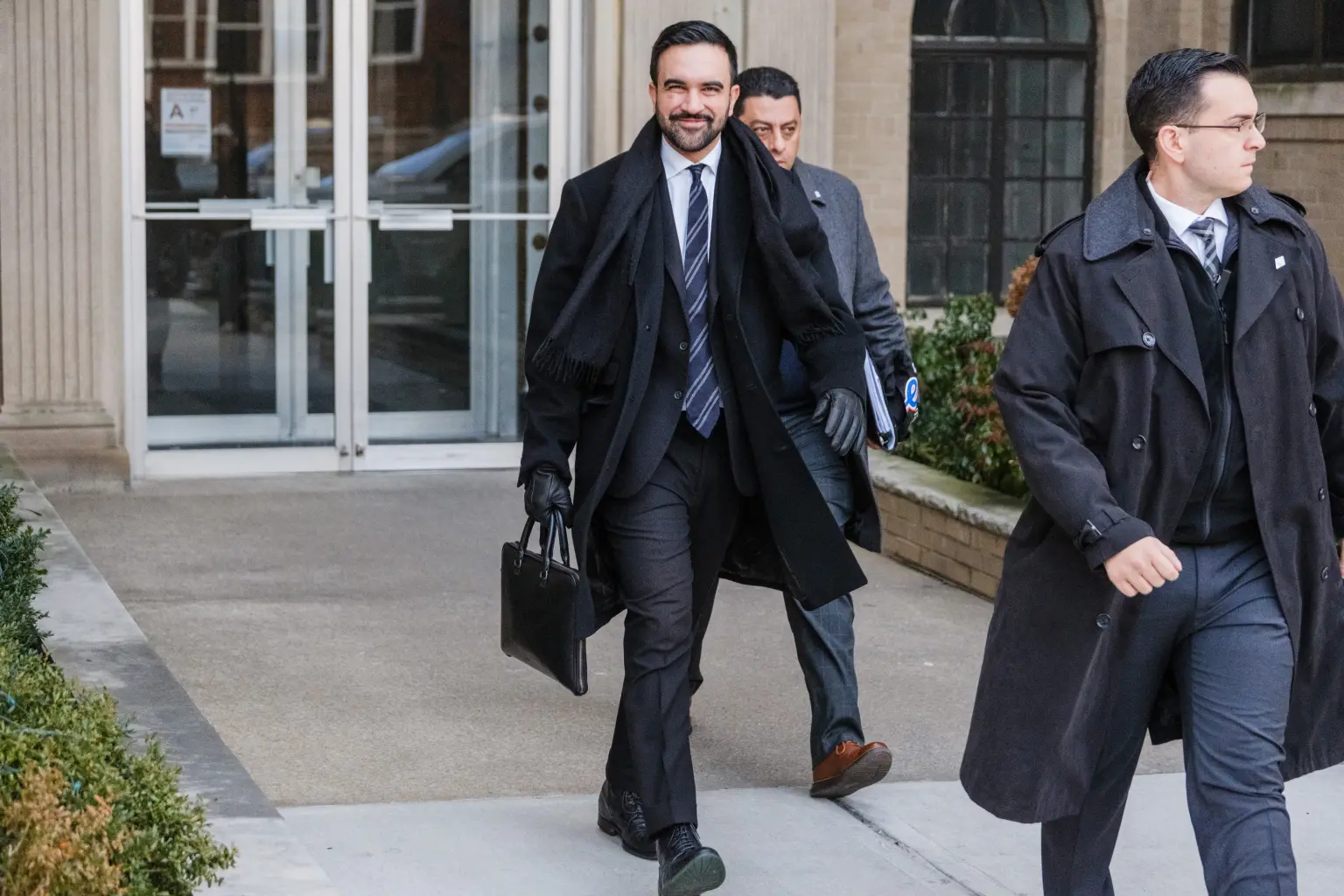
Mayor Zohran Kwame Mamdani announced the rule just three weeks into his term. Standing with consumer groups, worker advocates, and business leaders at the Whitney Museum, he made it clear that misleading pricing will no longer be tolerated.
Hotels have long used low advertised prices to attract guests, only to add extra fees later. Mamdani says that practice hurts both travelers and honest businesses.
His message was direct and widely shared online. If you book a hotel for 200 dollars, you should pay 200 dollars. Nothing more.
That post quickly went viral, with many people sharing their own stories of unexpected hotel charges that pushed bills far beyond what they expected.
The Rule Applies Even Outside New York City
One of the most powerful parts of this rule is its reach.
It does not only apply to hotels located in New York City. Any hotel that advertises or sells rooms to New York City residents must follow the same pricing rules. That means if you live in Brooklyn and book a hotel in Las Vegas or Miami, and that hotel markets to New Yorkers, it must show the full price upfront.
Hotels are still allowed to place credit card holds or ask for deposits. But these must be clearly explained before the booking is confirmed. No fine print surprises.
Why Hidden Hotel Fees Became Such a Big Problem
For years, travelers have faced the same frustrating pattern.
You find a room listed at a fair price. After clicking through, the total suddenly jumps. Resort fees. Amenity fees. Destination fees. Charges for services you may never use.
In many cases, the final bill ends up 20 to 30 percent higher than expected.
Last year alone, the Department of Consumer and Worker Protection received around 300 complaints tied directly to these hotel fees. Many people felt tricked and misled.
Experts say these fees make it harder for travelers to compare prices and reward hotels that hide costs instead of being honest.
NYC Just Ended the Hotel Fee Nightmare: Pay What You See🎉
— Veo Prompt (@VeoPrompt) January 23, 2026
If you book a $200 room, you pay $200. No more sneaky resort fees, destination BS, or surprise credit card holds killing your limit at checkout. Mayor Mamdani banned 'em full price upfront starting Feb 21.
Saves… pic.twitter.com/DKYrPTes2f
A Timely Move Ahead of a Major Tourism Surge
The timing of this rule matters.
With the 2026 World Cup approaching, New York City expects a massive wave of visitors. City leaders want tourists to feel welcome, not frustrated or overcharged. Clear pricing helps visitors plan better and builds trust in the city as a travel destination.
The rule also protects local residents who book hotels for staycations, events, or visiting family.
Not a Total Ban but a Demand for Honesty
This rule does not ban extra fees entirely.
Hotels can still charge them, but only if those costs are included in the advertised price from the start. The city is not controlling prices. It is controlling how prices are shown.
Enforcement will be handled by the Department of Consumer and Worker Protection. Hotels that break the rule can face penalties.
The policy builds on earlier proposals and aligns with national efforts by federal regulators, but goes further by expanding coverage and strengthening enforcement.
Mixed Reactions From the Public and Industry
Many travelers are celebrating the change. Online reactions show relief and support. People say it finally feels fair.
Labor groups like the Hotel Trades Council also support the rule, saying it helps workers by promoting stable and honest business practices.
Some hotel operators agree, noting that transparent pricing creates a level playing field.
Critics argue that hotels may simply raise base prices to make up for lost fees. That could be true in some cases. But even then, travelers will know the real cost upfront, making it easier to compare options and avoid frustration.
Part of a Larger Fight Against Junk Fees
This hotel rule is only one piece of a broader push.
Earlier this year, Mayor Mamdani signed orders targeting junk fees across many industries, including gyms, ticket sellers, and subscriptions. A new Junk Fee Task Force now coordinates enforcement citywide.
The message is clear. Hidden fees are no longer acceptable in New York City.
What Travelers Should Do Now
If you are booking travel for late 2026 or beyond, pay attention to how prices are shown. Look for all in pricing and clear disclosures.
If a hotel adds hidden charges after booking, report it to the Department of Consumer and Worker Protection. The city is actively monitoring compliance.
This change promises fewer surprises, less stress, and more trust for travelers.
What Comes Next
NewsIQ will continue tracking how hotels respond, how much travelers actually save, and whether other industries are next.
Hidden fees affect everyone. This rule may not lower every price, but it finally brings honesty to the booking process.
Have you ever been hit with a surprise hotel charge? Share your experience. These stories are shaping the next wave of consumer protection.




Wow, this is actually huge. I have been burned by hidden hotel fees so many times. Glad someone finally did something about it.