Venezuela moves to open oil sector to foreign firms for first time since 2007
 Skasif
23/01/2026
Skasif
23/01/2026 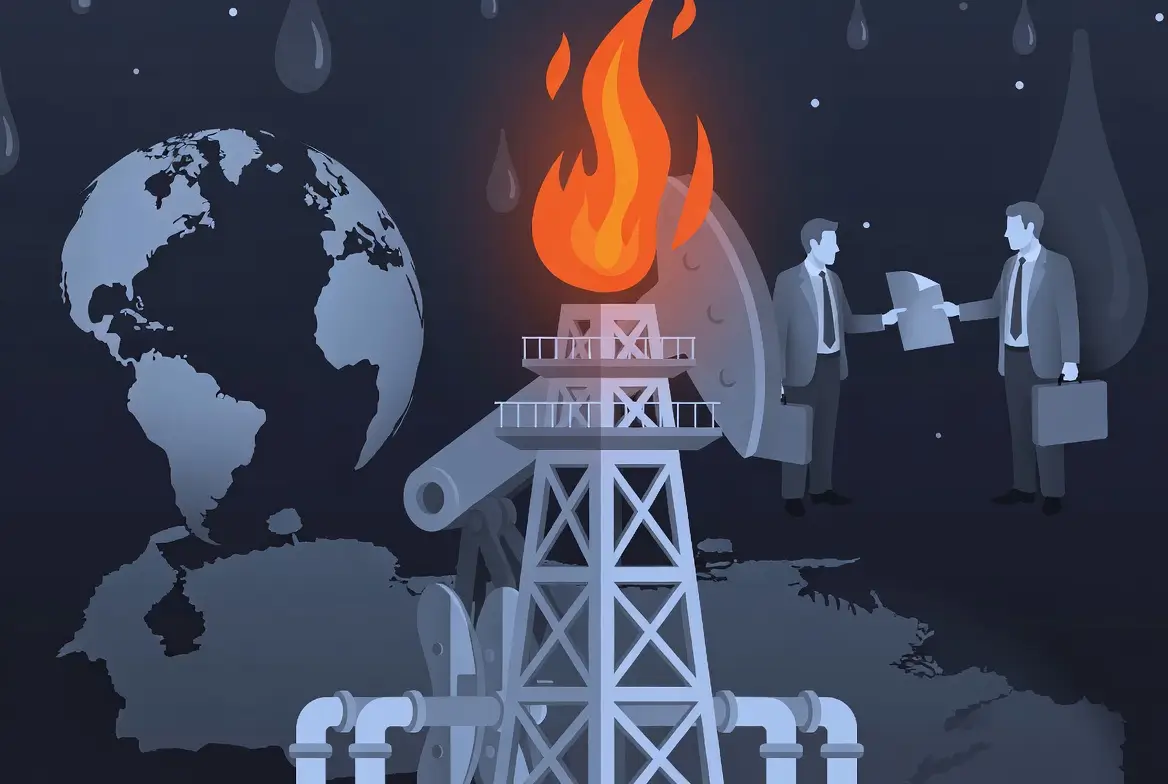
Trump Pushes US Oil Expansion in Venezuela
President Donald Trump vows massive US oil investments in Venezuela as lawmakers there debate ending decades of state control over the world’s largest proven reserves. The moves follow Nicolas Maduro’s ouster and aim to flood markets with cheap crude, but American shale producers cry foul over falling prices and sidelined domestic growth.
Historic US-Venezuela Oil Deal Unfolds After Maduro Arrest
President Donald Trump brokered a landmark energy agreement with Venezuela right after US forces arrested former leader Nicolas Maduro in early January 2026. The deal secures up to 50 million barrels of Venezuelan heavy crude for US refineries designed to process it, with the first $500 million sale already completed and proceeds partly held in neutral Qatar accounts. White House officials frame this as protecting the Western Hemisphere from adversaries while unlocking billions in investments.
Acting President Delcy Rodríguez, Maduro’s former deputy and current petroleum minister, delivered a state of the union address urging swift hydrocarbon law changes. Trump highlighted the pact at the World Economic Forum in Davos, stating Venezuela could earn more in six months than in the past 20 years, with every major oil company joining. Energy Secretary Chris Wright projects a 30% output rise from current 900,000 barrels per day levels in the near term, without US on-site security.
Venezuela holds reserves enough to produce at current rates for over 800 years, but output plummeted from 3.5 million barrels daily in the 1970s to under 1 million today due to mismanagement, sanctions, and underinvestment. The Orinoco Belt, key to heavy crude, demands specialized tech and billions to revive.
Venezuela National Assembly Advances Bold Oil Reforms
Venezuela’s National Assembly approved the first reading of a hydrocarbons law overhaul on January 22, 2026, scrapping Chavez-era rules mandating joint ventures where state firm PDVSA holds majority control. Private companies can now operate fields independently, market crude, and keep cash revenues after royalties, at their own risk.
Assembly President Jorge Rodríguez called it essential for “accelerated production increase,” quipping “oil under the ground is useless”. The bill lowers royalties to as low as 15% for big investments, down from 33%, and allows independent arbitration for disputes. Promoted by Delcy Rodríguez, it faces a second debate soon in the ruling party-dominated legislature.
Experts warn the reforms clash with Venezuela’s constitution reserving oil for the state, requiring more law changes. Still, they respond to US oil executives’ demands for autonomy after two decades of nationalizations that chased away firms like ExxonMobil and ConocoPhillips.
Trump Courts Big Oil Majors for $100 Billion Rebuild
Trump met ExxonMobil CEO Darren Woods, Chevron Vice Chairman Mark Nelson, and others at the White House on January 10, pushing $100 billion in investments for Venezuela’s crumbling infrastructure. Woods called Venezuela “uninvestable” without legal fixes, after assets seized twice, but said Exxon is evaluating reentry.
Chevron, the only US major still active via PDVSA partnerships, produces 240,000 barrels daily and plans to double liftings immediately, plus 50% growth in 18-24 months. Trump signed an order blocking courts from seizing Venezuelan oil revenues in US accounts, using emergency powers.
The administration expands licenses for traders beyond Vitol and Trafigura to buy Venezuelan crude, easing sanctions post-Maduro. US diluent flows in to blend and upgrade heavy oil for export.
American Shale Producers Voice Growing Frustrations
US shale firms feel “slighted” as Trump prioritizes foreign oil to slash pump prices, with West Texas Intermediate crude dipping below $60 per barrel—barely profitable for many. The US oil rig count fell 15% last year to around 540, with forecasts of 400,000 barrels per day production drop by end-2026 as rigs slide further.
A large producer CEO told Fortune anonymously that everyone feels overlooked amid Trump’s OPEC and Venezuela pressure. Midland, Texas firm head called the Venezuela focus “disgraceful,” noting years needed for real output gains while Permian Basin suffers. Analyst Marshall Adkins of Raymond James said Trump wants lower prices unequivocally, hurting domestic drillers.
Despite record US output near 13.5 million barrels daily, shale needs $60+ to thrive, and rig efficiency gains can’t offset rig losses forever. Producers argue “drill baby drill” rings hollow without home support.
| Aspect | US Shale Producers | Venezuela Oil Push |
|---|---|---|
| Current Challenges | Prices under $60/bbl, rig count down 15% to 540 polyestertime+1 | Output ~900k bpd, needs $100B rebuild reuters+1 |
| Trump Stance | Feels sidelined for lower prices fortune | $100B investments, 30% near-term rise reuters+1 |
| Production Outlook | Potential 400k bpd drop by 2026 end finance.yahoo | 1.3-1.4M bpd in 2 years jpmorgan |
| Key Players | Permian Basin firms struggling finance.yahoo | Chevron, Exxon evaluating reuters |
Market Impacts and Global Energy Shifts
Venezuela’s reforms could reshape oil markets, adding supply pressure while US shale retrenches. JP Morgan sees output hitting 1.3-1.4 million barrels daily in two years post-transition, up from 750,000-900,000 now. Long-term, 2.5 million possible over a decade.
Lower global prices benefit US consumers but squeeze producers, aligning with Trump’s anti-inflation goals. Critics say Venezuela’s heavy oil revival faces hurdles like decaying infrastructure and high costs. For India and Asia, cheaper crude aids refiners geared for heavy grades.
Future Outlook: Boom or Bust for Venezuelan Oil?
Analysts project cautious optimism: billions needed, years for peaks, but reserves lure investors. Trump ties energy to political stability, blocking rival influence. US shale may push for Permian incentives amid frustrations.
Venezuela’s pivot from socialism marks a new era, but execution risks loom. Watch Assembly’s final vote and first private contracts for signals.